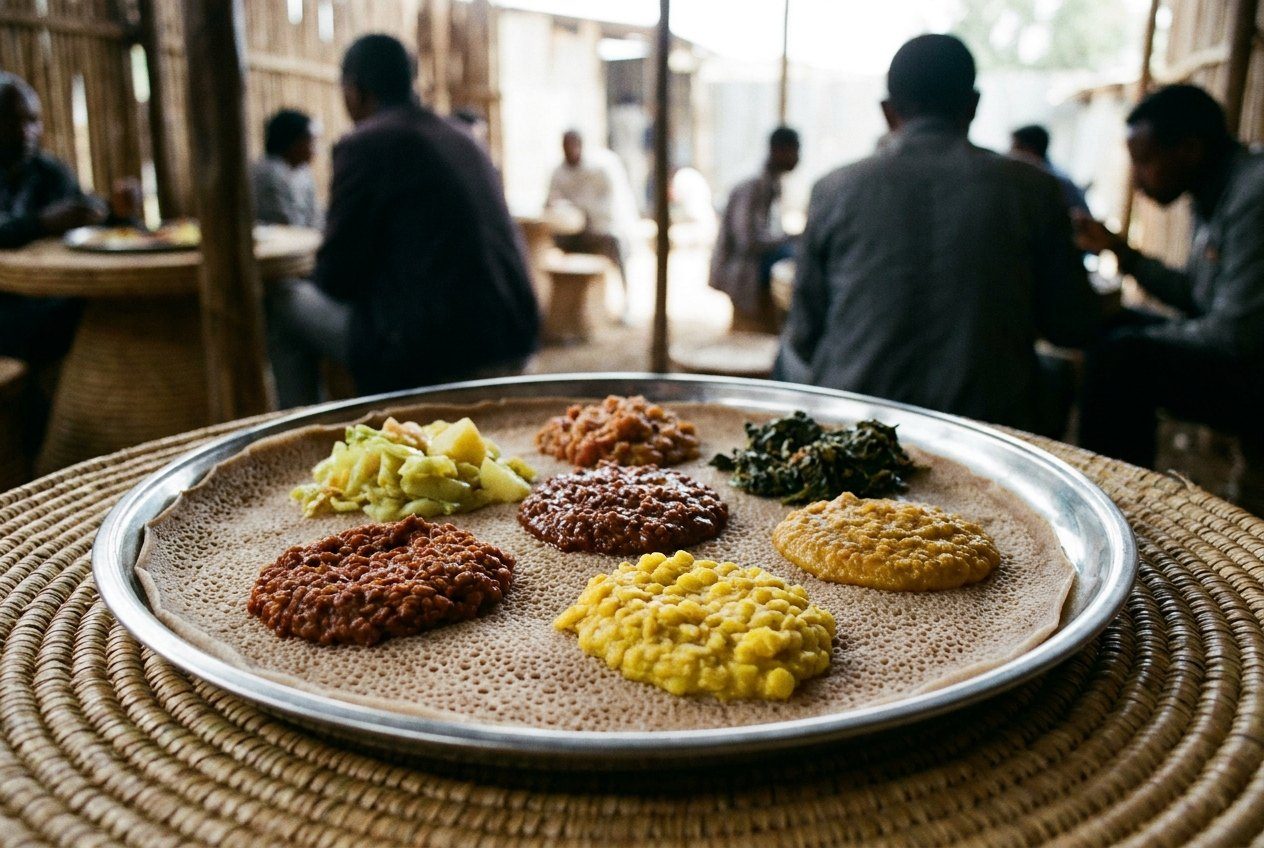
PaceEat slowly and share. On fasting days, Wednesdays and Fridays for many, expect plant-based dishes to dominate menus, especially in the highlands. Other plates in this section.
Almost every meal in the Ethiopian highlands is built on injera, a large, round, slightly sour flatbread with a spongy surface. It covers the tray, the stews are spooned on top of it, and you tear pieces of it to scoop up the food. There is usually no cutlery. Understanding injera, the stews that go with it and the fasting rules that shape the menu for much of the year will make every meal easier and more enjoyable.
Teff, the grain
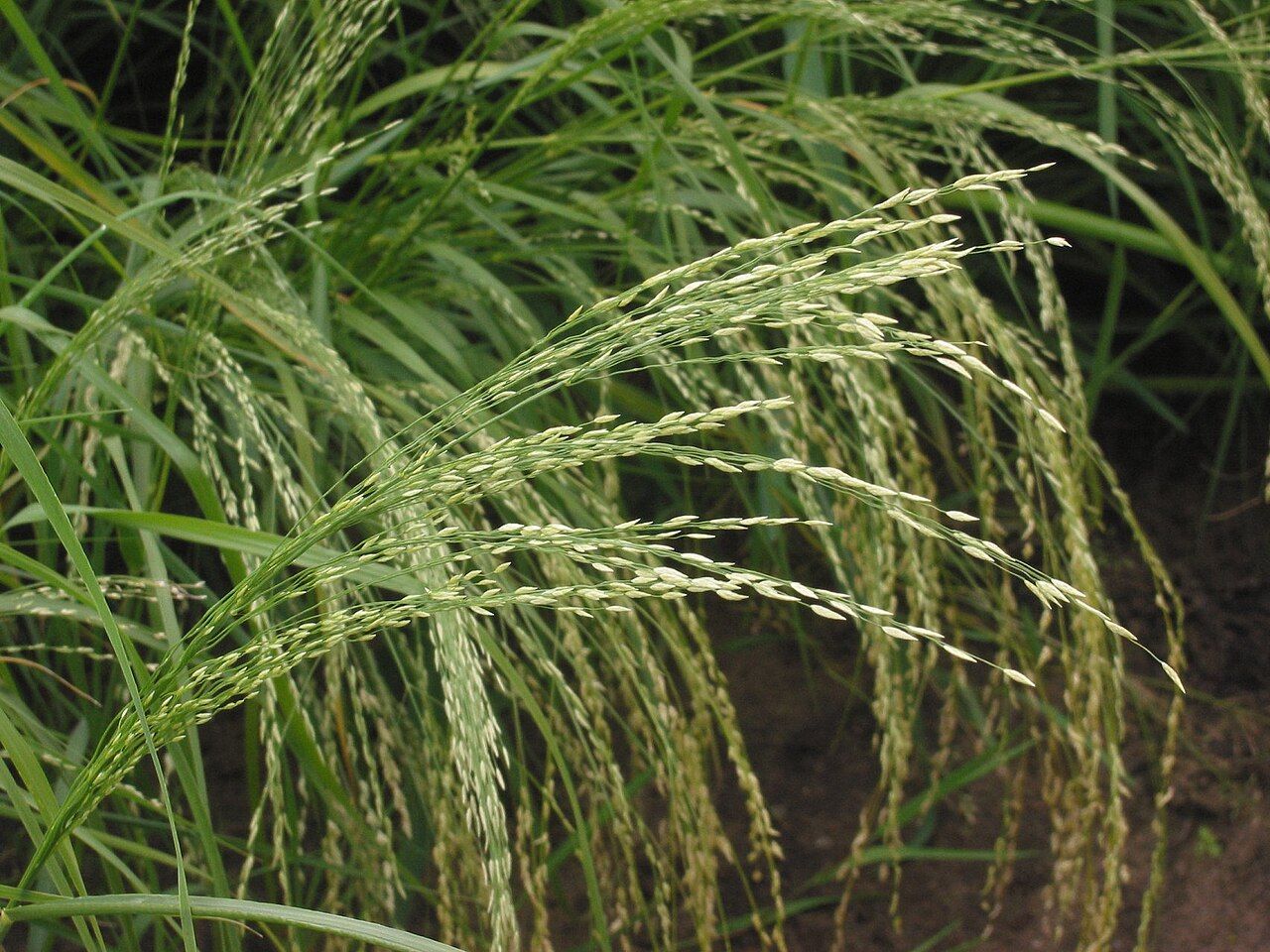
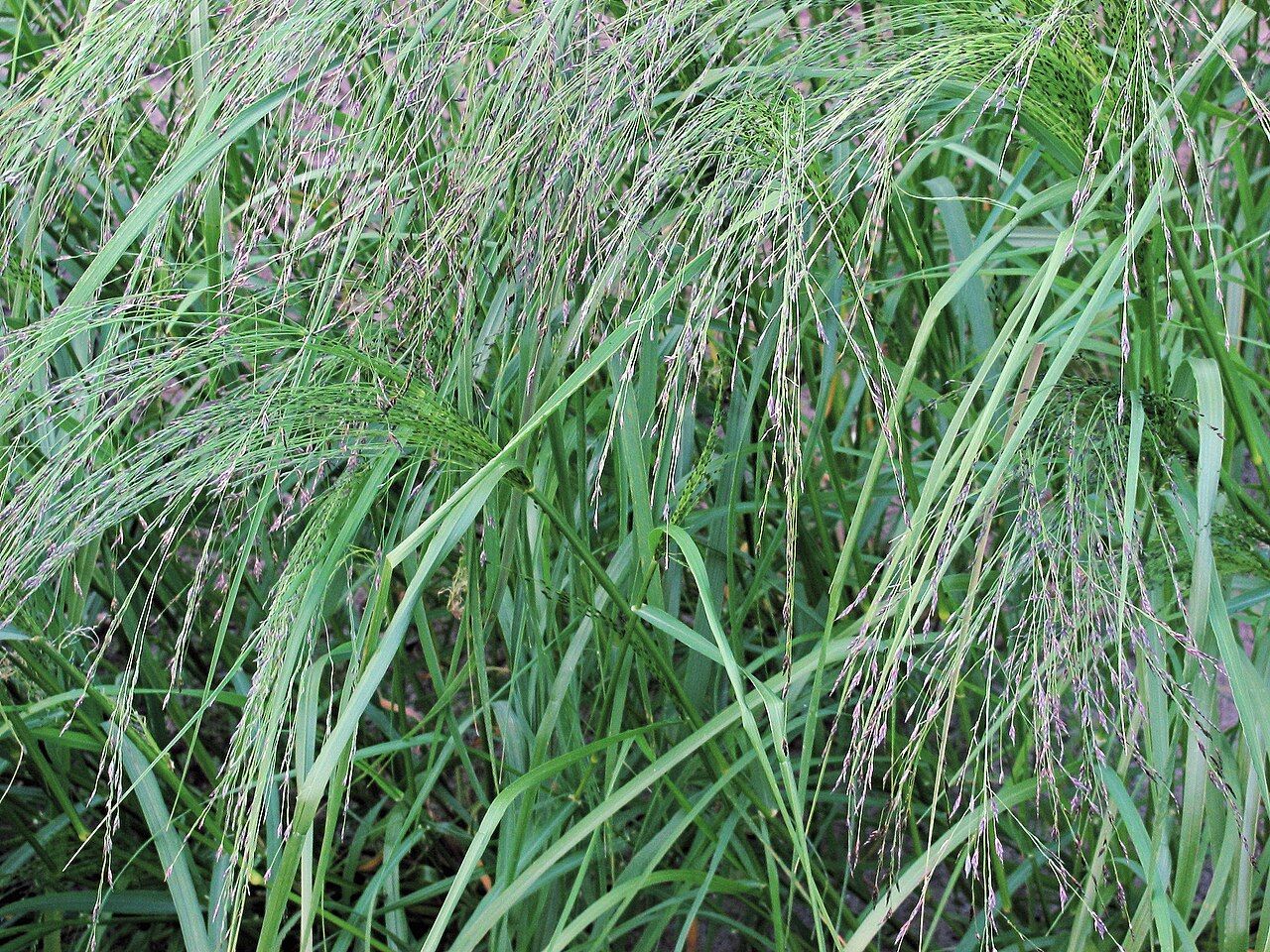
The finest injera is made from teff, a tiny grain domesticated in Ethiopia and grown widely across the highlands. A single seed is barely bigger than a grain of sand. Teff comes in white, red and brown varieties, and white teff, the most expensive, gives the palest and most prized injera. It is rich in iron and fibre and contains no gluten, though injera made in some places or households may include other grains such as barley, sorghum or wheat. If you avoid gluten for medical reasons, ask rather than assume.
How injera is made
Teff flour is mixed with water and left to ferment for several days, which gives injera its sourness. A little of an earlier batch is often used to start it. The thin batter is poured in a spiral onto a large clay griddle called a mitad, covered and cooked on one side only. As it cooks, bubbles rise and burst, leaving the surface full of small holes, the eyes of the injera, which soak up the sauces. A well-made injera is soft, even and evenly pocked.
The taste is tangy, and the texture is cool and slightly damp. It can take a meal or two to get used to it. Once you have, the rest of the food falls into place.
Wat, shiro and the rest of the plate
Wat is the general word for a stew. Doro wat, chicken cooked slowly with onions, spiced butter and berbere, the red chilli and spice mix that flavours much highland cooking, is a dish for feasts and special days, often served with a hard-boiled egg. Tibs are pieces of meat fried with onions and peppers, and kitfo is minced beef seasoned with spiced butter and chilli, often served raw or lightly warmed, so ask for it cooked if you prefer.
The everyday stew that you will meet more than any other is shiro, a smooth, thick sauce of ground chickpeas or other legumes, simmered with onion, garlic and spices. It is cheap, filling and plant-based, and it is often served bubbling in a small clay pot. Lentils cooked as misir wat, split peas, collard greens, and cabbage with potato and carrot round out the vegetarian repertoire, alongside fresh salads and a fiery dip of green chilli.
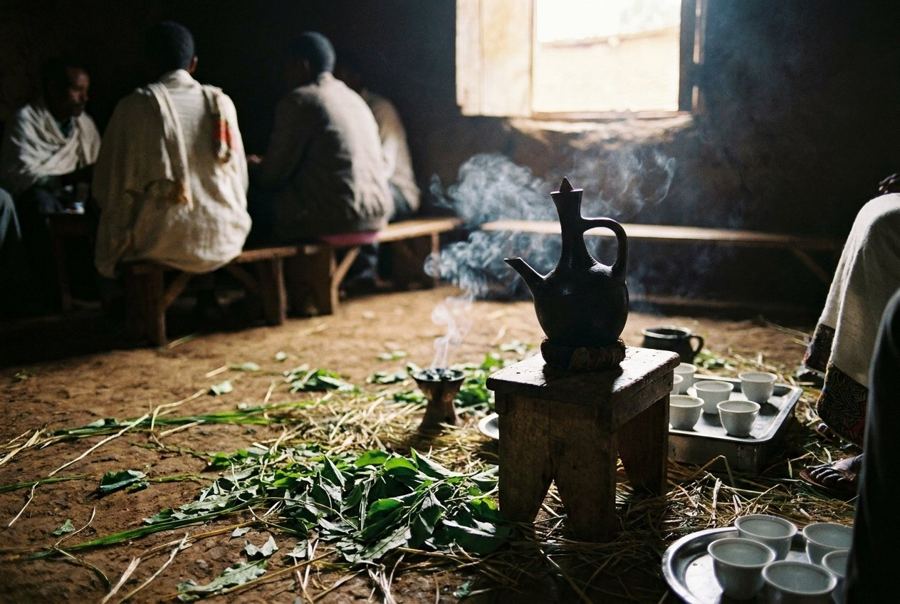 Plate 16 · KaffaCoffee, from the forest to the ceremony
Fasting days and the beyaynetu
For members of the Ethiopian Orthodox Church, fasting is part of daily life. Wednesdays and Fridays are fast days through most of the year, with exceptions such as the weeks after Easter, and there are longer seasons of fasting, the longest before Easter and another before Christmas. During fasts, observant people avoid meat, eggs and dairy, and many do not eat at all until the afternoon. Clergy and the most devout fast for far more days than lay people.
The result is a remarkable range of plant-based cooking, sometimes called fasting food, and an easy country for vegans to travel in. Ask for a beyaynetu, a platter of several different fasting dishes arranged in small heaps on a single injera: shiro, lentils, greens, beetroot, cabbage and more, depending on the place. It is a good introduction to Ethiopian food for anyone, vegan or not. On fast days some places serve little or no meat at all, so plan accordingly if you were hoping for tibs on a Friday.
Fasting periods end with feasts, and the days after major festivals such as Timkat, Meskel and Genna are the time when meat and doro wat come back to the table. Muslims in Ethiopia keep their own fasts, notably Ramadan, which is widely observed in the east and in many towns; in cities such as Harar, eat discreetly in daylight during that month.
Eating with your hand, and gursha
Meals are often shared from a single large tray or a woven table called a mesob. Before eating, water and a basin may be brought round for washing hands. Eat with your right hand: tear a piece of injera, use it to pinch up a mouthful of stew and bring it to your mouth without touching your fingers to your lips more than you can help. The left hand is traditionally kept off the food. Eat from the part of the tray in front of you, and leave the softened injera at the bottom until the end, as it soaks up the best of the sauces.
A gursha is a mouthful that one person places directly into another's mouth, a gesture of affection or respect among family and friends. If someone offers you one, accept it graciously; the rolled bite may be generous. You can return the gesture, but there is no need to force it if you feel awkward.
Ordering and eating well on the road
In towns across the highlands, simple local places serve injera with a small choice of stews, and the dish of the day is often the freshest. Ask what is good, and point to what others are eating if you are unsure. Away from the highlands, staples change: the south has enset and kocho, and the Konso terraces grow sorghum and leafy greens that end up in local dishes.
- Spice levels vary; ask for less berbere if you are sensitive.
- Raw meat dishes are part of the culture; decide for yourself whether to try them.
- Bottled or treated water is the safer choice for travellers.
- A meal often ends with coffee, so keep time free after it.
Images on this page: Rasbak (CC BY-SA 3.0); Rasbak 15:19, 5 August 2007 (UTC) (CC BY-SA 3.0).

