PaceTwo nights lets you walk the Jugol slowly by day and see the hyena feeding after dark. Mornings are cooler and markets busiest early. Other plates in this section.
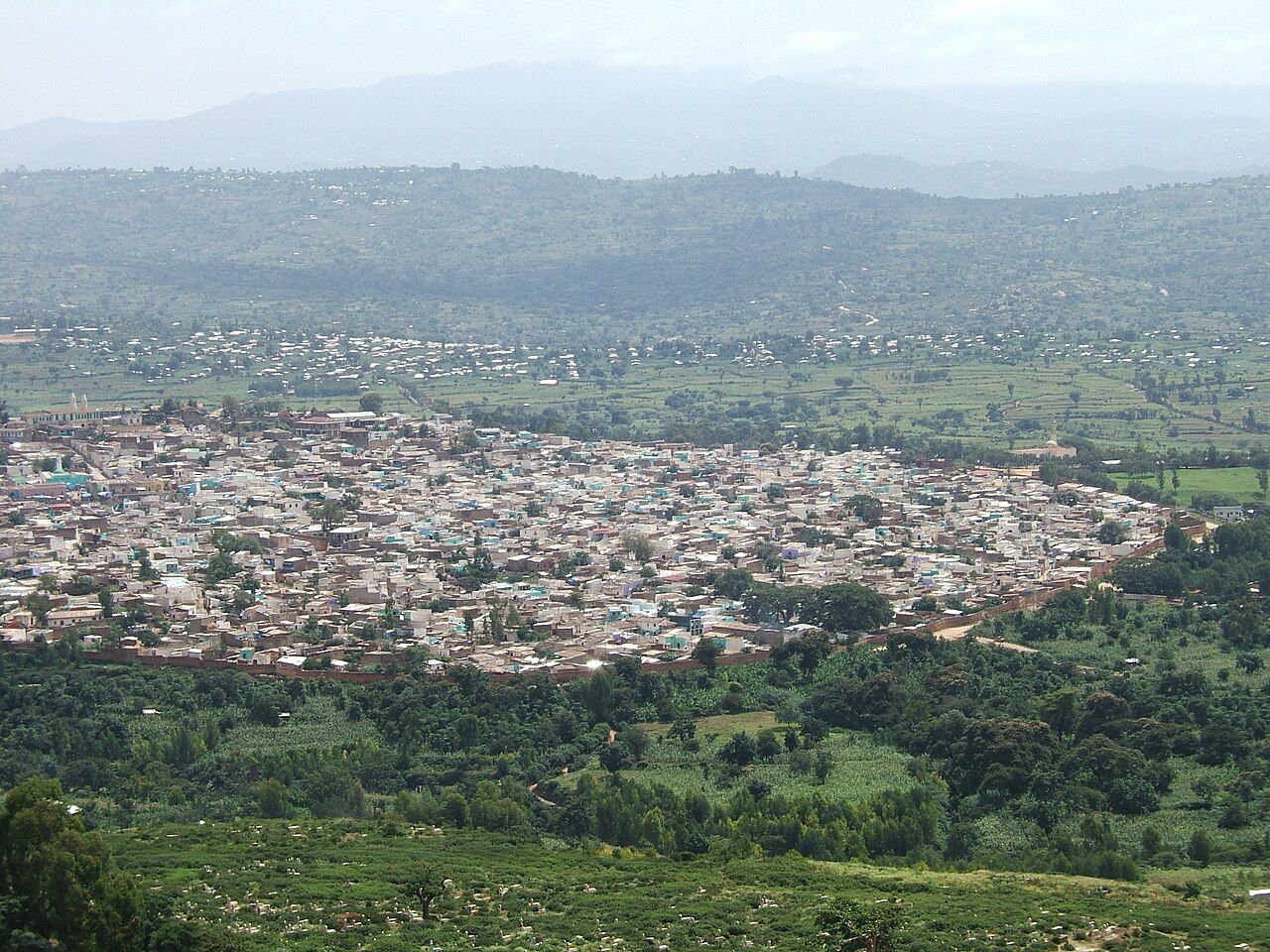
Harar sits on a ridge in eastern Ethiopia, and its old town, the Jugol, is still enclosed by the wall built around it in the sixteenth century. Inside lies a dense maze of lanes, whitewashed and brightly painted houses, small mosques and shrines, and markets that spill out through the gates. For centuries Harar was a trading city and a centre of Islamic learning in the Horn of Africa, linking the highlands to the coast. UNESCO listed the Jugol as a World Heritage Site in 2006. It feels quite unlike the Christian highlands of the north, and that contrast is part of its appeal.
The Jugol and its gates
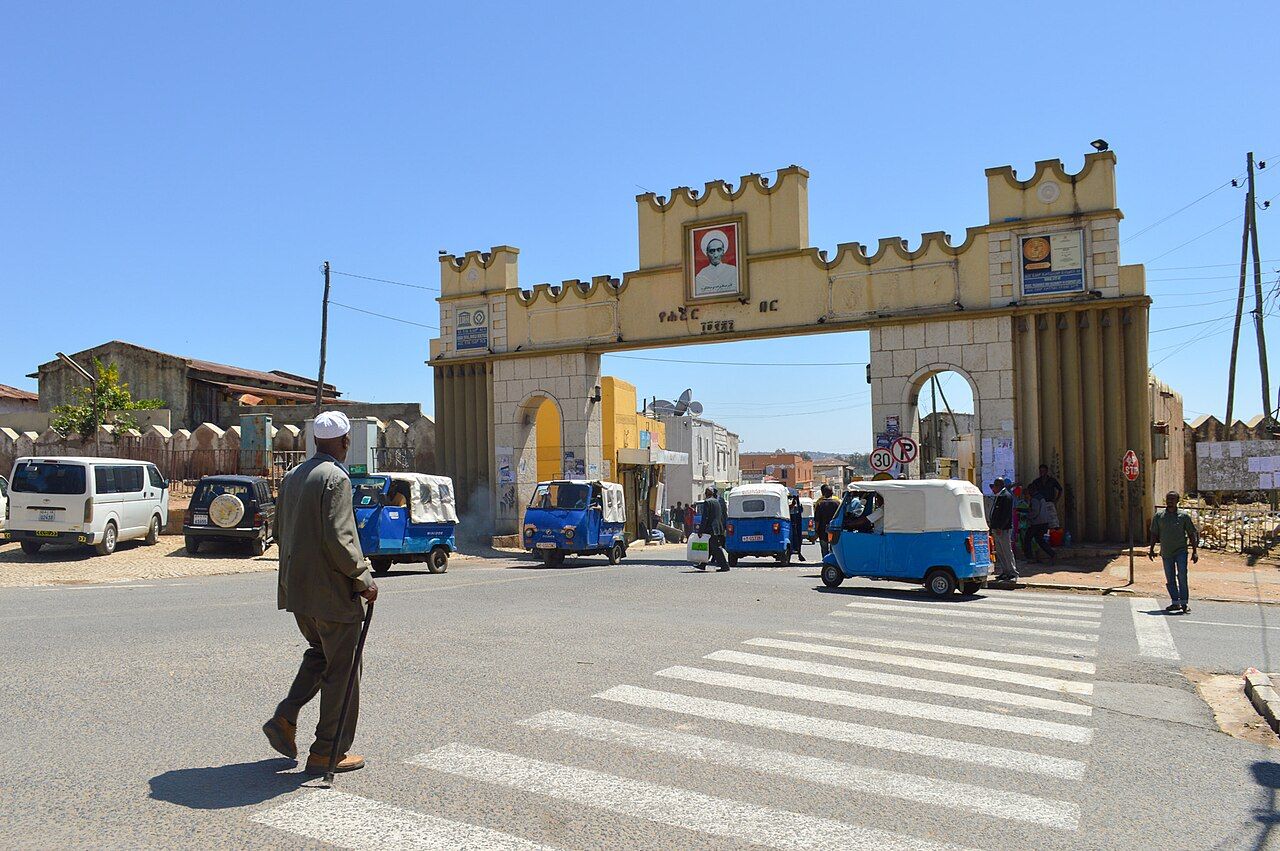
The wall that rings the old town was raised in the time of Emir Nur in the sixteenth century, after the wars between the Adal sultanate and the Christian kingdom. It was pierced by five historic gates, each facing a different direction and road. A sixth, the Harar Gate on the side facing the newer town, was opened much later and is the one most visitors walk through first. Walking the line of the wall from gate to gate is a good way to understand the shape of the city and to see where its markets gather.
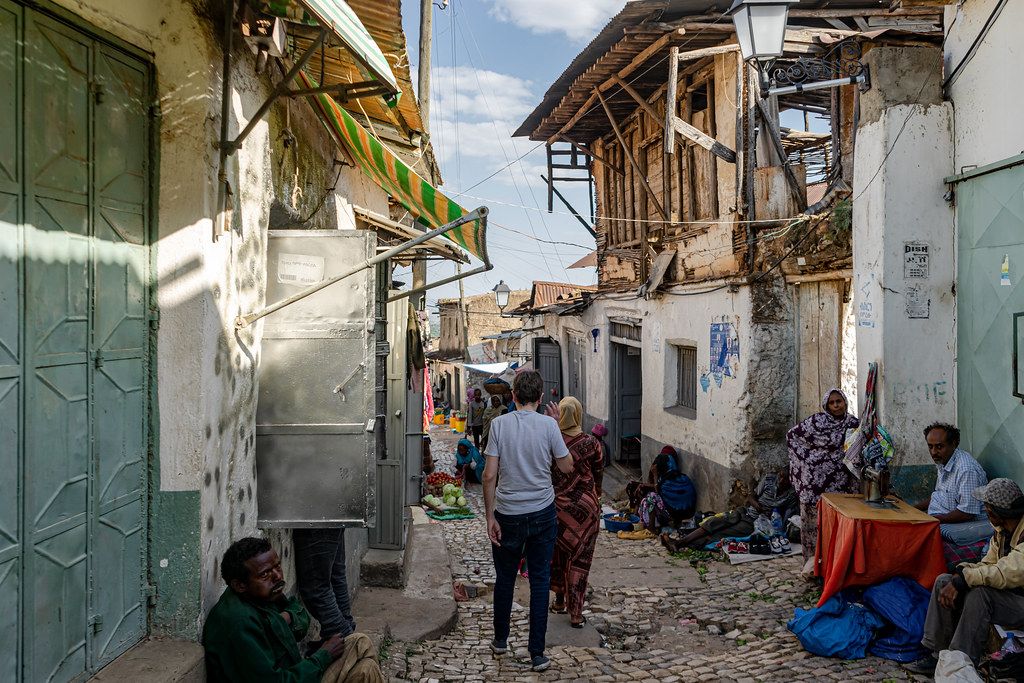
Inside, the lanes are narrow, often unpaved, and they twist without obvious logic. Getting lost is easy and, in daylight, part of the experience. A local guide helps you understand what you are looking at and saves time if you want to find particular houses or shrines, but you can also simply walk. Keep a general sense of which way is downhill and which gate you came in by, and you will find your way out again.
Mosques, shrines and Harari houses
Harar is often said to hold more than eighty mosques and around a hundred shrines within its walls, many of them tiny buildings tucked into the lanes. The Jami Mosque, the main mosque of the old town, stands near its centre. The shrines honour holy men and women, and some are visited by pilgrims from across the region. Non-Muslims are usually not expected inside working mosques; admire them from the lane unless you are clearly invited, and keep away at prayer times.
The traditional Harari house, the gegar, is one of the city's great treasures. Behind a plain courtyard wall, the main room is arranged on raised platforms of different levels, each traditionally linked to the status of who sits there. The walls are hung with colourful woven baskets, enamel plates and wooden bowls. Some families open their homes to visitors, and a guide can arrange a visit. Remove your shoes where the household does, and ask before taking pictures.
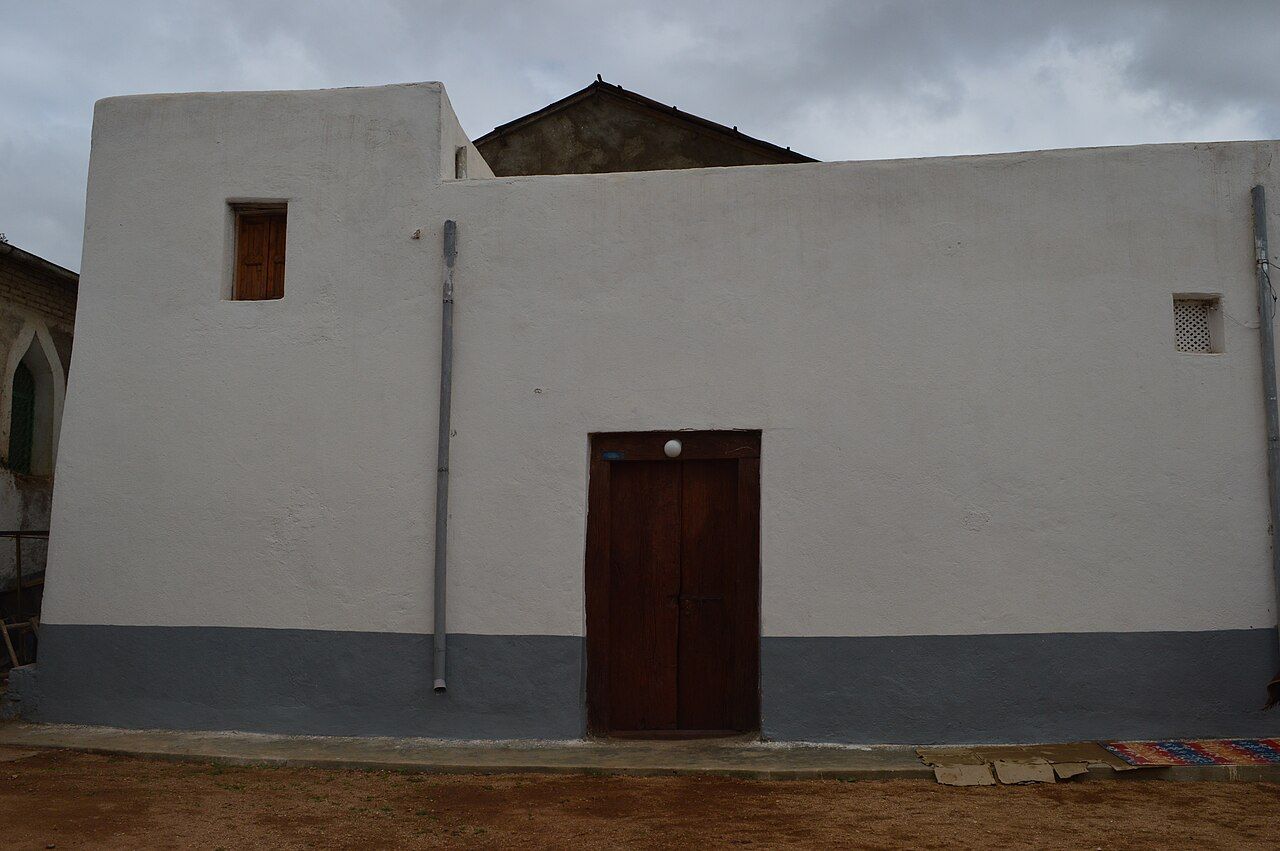
The Jugol also has a church: the Medhane Alem church stands near Feres Magala, the square at the heart of the old town, a reminder of the Christian population that grew after the city was brought into the Ethiopian state in the late nineteenth century.
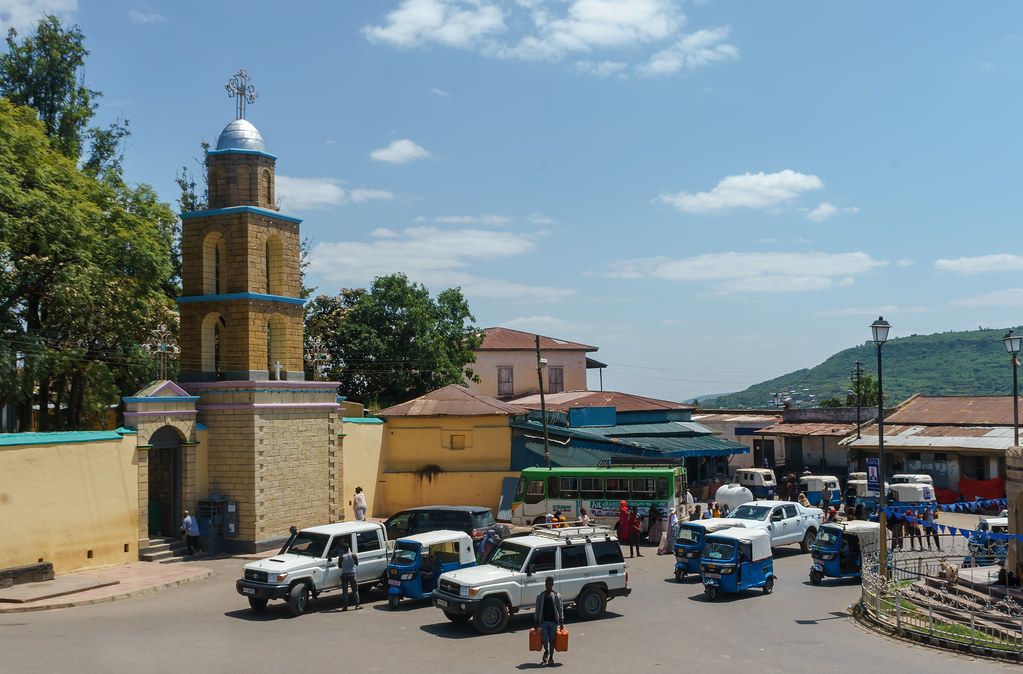
Markets and khat
Markets press against the gates and fill the squares inside. You will find spices, grain, cloth, baskets, metalwork and great quantities of produce from the farms around the city. One lane is known for tailors working at old sewing machines, and another area sells goods recycled from scrap. Harar coffee, grown in the surrounding hills, is famous in its own right; you will smell it roasting.
The other crop you will see everywhere is khat, the leaf of a shrub that is chewed for its mild stimulant effect. In Harar and across eastern Ethiopia it is a major crop and an important source of income, and chewing it, often in long afternoon sessions, is a common social habit. It is legal in Ethiopia but banned or controlled in many other countries, so do not carry any out of the country. If you are offered some, a polite refusal is fine. Avoid photographing people chewing without their clear agreement.
Getting lost is easy and, in daylight, part of the experience.
Rimbaud and the museums
The French poet Arthur Rimbaud gave up poetry and spent much of the 1880s in Harar as a trader. A handsome merchant's house in the old town carries his name and now holds an exhibition about him and about the city in his time. The house itself was built after Rimbaud's day, so treat the connection as a tribute rather than his actual home; the photographs and views from the upper floor make it worth a visit either way.
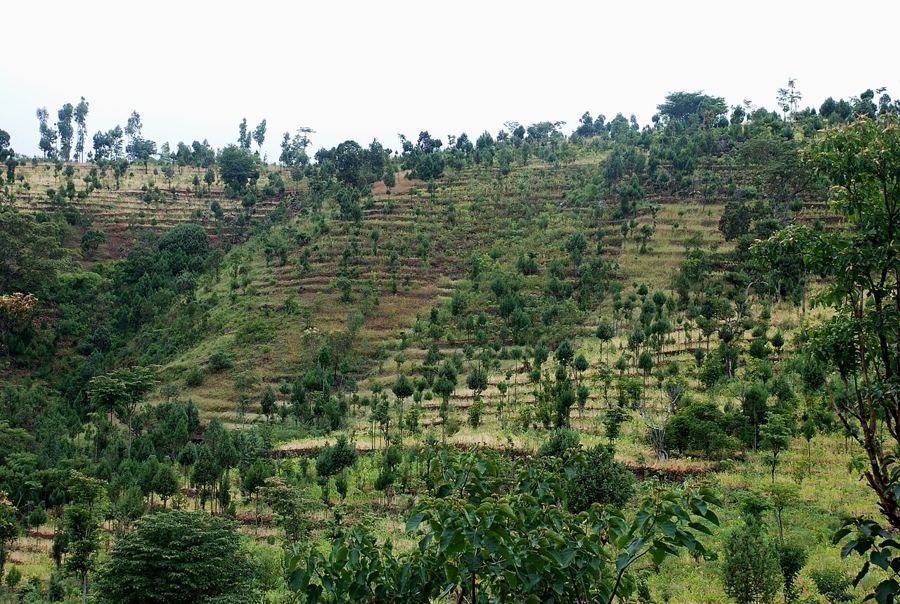 Plate 13 · KonsoKonso, a landscape built stone by stone
Other small museums show Harari crafts, coins, manuscripts and household objects, and the house associated with Ras Makonnen, governor of Harar and father of the last emperor, is another stop on many walks. Expect modest entry fees.
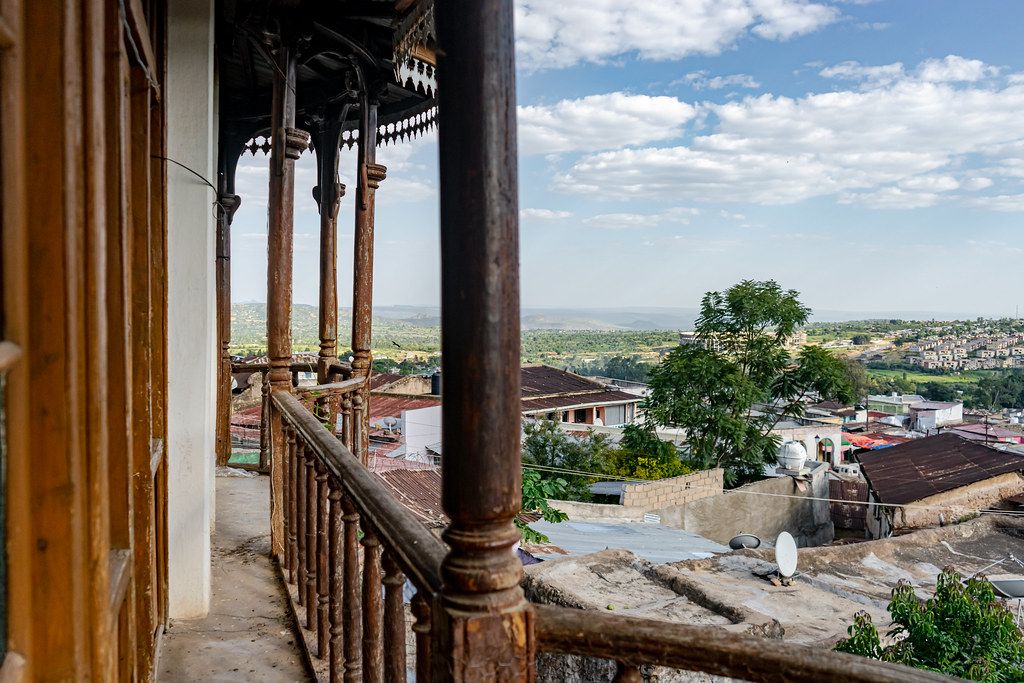
The hyenas at nightfall
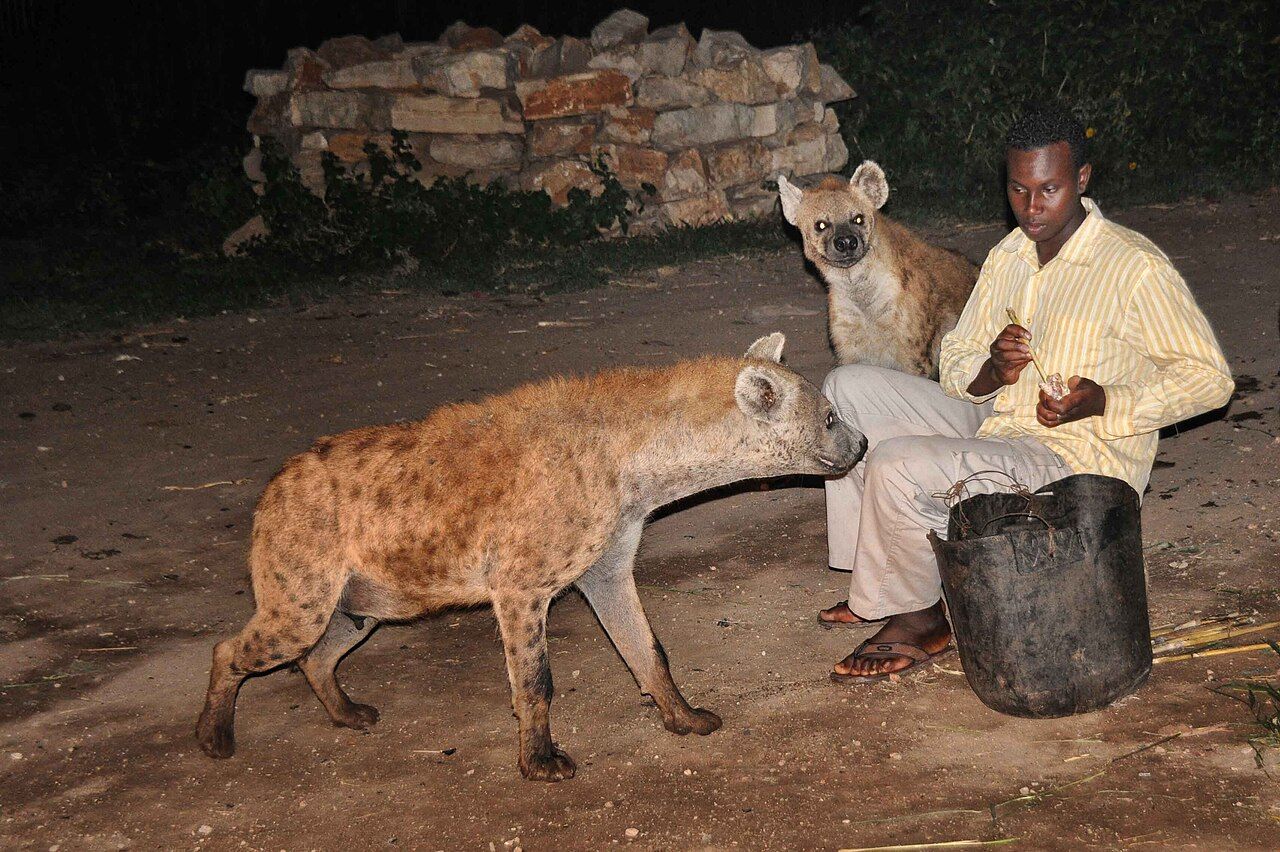
Harar has a long and unusual relationship with its spotted hyenas. Every night, just outside the walls, a small number of men call hyenas from the dark by name and feed them scraps of meat, a nightly tradition carried on within families. Visitors gather to watch, and you may be offered a stick with meat on it to feed a hyena yourself. Do so only if you are comfortable: these are wild predators, the light is poor and the situation needs calm. Follow the feeder's instructions exactly, keep children close and do not use flash in the animals' eyes.
The feeding takes place after dark and usually needs a short drive or walk through unlit streets. Go with a guide or a driver who knows the place, take a torch and agree in advance on a contribution for the feeder. Hyenas also roam the edges of the city at night, which is a good reason in itself to stay with company after dark.
Getting there and pacing
Most travellers reach Harar through Dire Dawa, which has an airport with domestic flights and a station on the railway between Addis Ababa and Djibouti. From Dire Dawa the road climbs into the hills to Harar in roughly an hour or so. You can also come all the way by road from Addis Ababa, passing through Awash National Park on the way, which turns the journey into a two-day trip with wildlife and a volcano en route.
Give Harar at least two nights. Walk the Jugol in the cooler morning when the markets are busiest, rest at midday, return in the late afternoon light, and keep an evening for the hyenas. Friday is the main day of prayer, and some businesses close for part of it. Dress modestly: covered shoulders and knees for everyone, and a scarf is useful for women visiting shrines. During Ramadan, eat and drink discreetly in public in daylight hours.
Harar has its own coffee tradition, and an afternoon spent learning about the Ethiopian coffee ceremony fits naturally here. The eastern route also links well with the rest of the country: the guide to planning an Ethiopian circuit covers how to combine the east with the north or south.
Images on this page: Francisco Anzola (CC BY 3.0); Ninara31 (CC BY 2.0); photographer unknown (CC BY 2.0); Naif Mohamed (CC BY-SA 4.0); Ninara31 (CC BY 2.0); Ninara31 (CC BY 2.0); Rod Waddington from Kergunyah, Australia (CC BY-SA 2.0); JosepMGracia (CC BY-SA 4.0).


