PaceTake your first day gently at this altitude. Two full days covers the museums, a cathedral, Merkato and Entoto, with traffic eating more time than distance suggests. Other plates in this section.
Addis Ababa sits on a high plateau beneath the Entoto hills, at about 2,350 metres, which makes it one of the highest capital cities in the world. Most journeys into the country start and finish here, and many travellers see it only from the airport road. That is a pity. Between circuits, a day or two in the capital lets your body adjust to the altitude and gives you a grounding in the history, faith and food that you meet everywhere else.
Arriving at altitude
Many visitors feel the height on their first day: a mild headache, poor sleep, shortness of breath on stairs. Take that day gently. Drink plenty of water, go easy on alcohol, and save long walks and hill climbs for the second day. The air is cooler than many people expect for Africa, especially at night and in the rainy season, when afternoon downpours are common, so carry a warm layer and a rain jacket.
The city was founded in the 1880s by Emperor Menelik II and Empress Taytu, who moved the court down from the Entoto ridge to the warmer plain around hot springs. The name means new flower. It grew quickly into a sprawling capital and is now home to the African Union and many international organisations, with new buildings rising beside old neighbourhoods of tin-roofed houses. Large redevelopment projects have changed whole districts in recent years, so expect roads, riverside parks and some landmarks to look different from older descriptions.
The National Museum and Lucy
The National Museum of Ethiopia is the place to start. Its best-known exhibit is Lucy, or Dinkinesh in Amharic, the partial skeleton of an early human ancestor found in the Afar region in 1974 and dated to around 3.2 million years ago. The skeleton on public display is usually a cast, with the original bones kept safely in storage, but seeing it in context, alongside other fossil finds from Ethiopia, is a reminder of how much of the human story has been uncovered in this country.
The upper floors cover later history and art: objects from the Aksumite period, royal regalia, and modern paintings. The museum keeps its own hours and ticket rules. Allow a couple of hours, more if you read the panels.
Churches and the Ethnological Museum
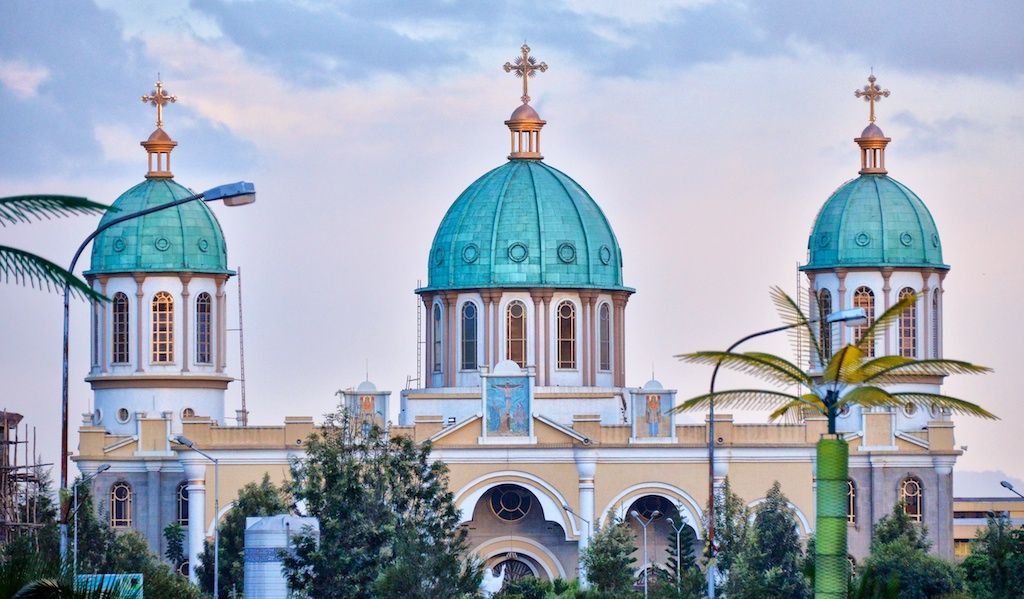
Holy Trinity Cathedral, known in Amharic as Kidist Selassie, is the city's most important Orthodox cathedral. Built in the twentieth century, it holds the tombs of Emperor Haile Selassie and Empress Menen, and its interior has stained glass and murals. The churchyard contains graves of patriots who fought the Italian occupation and of other notable figures. St George's Cathedral, an octagonal church built to commemorate the victory at Adwa in 1896, has its own small museum. In both, dress modestly, take your shoes off where asked and keep quiet during services.
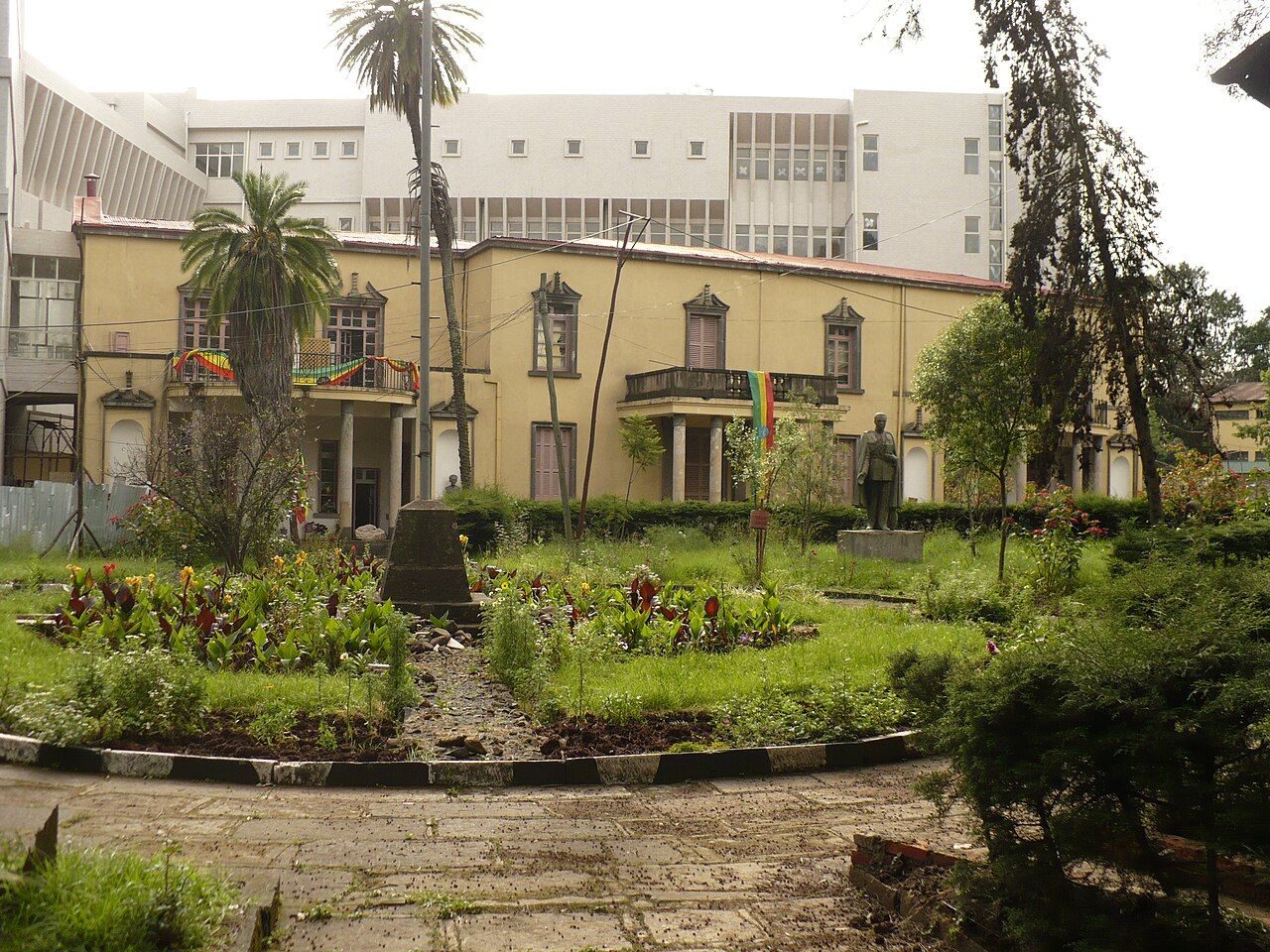
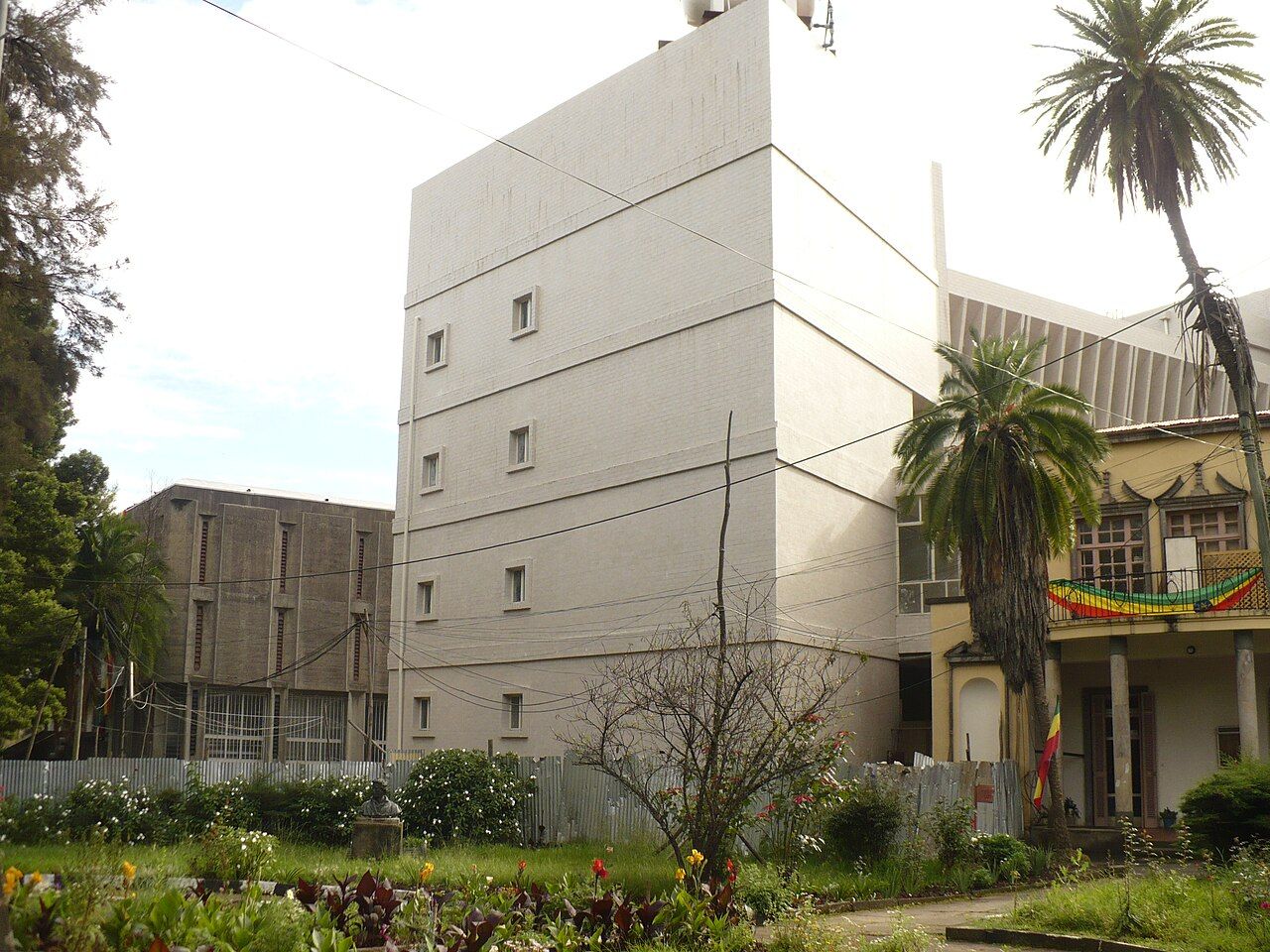
The Ethnological Museum lies inside the main campus of Addis Ababa University, in a former imperial palace. Its galleries are arranged around the stages of life, from birth to death, with objects from many of Ethiopia's peoples: instruments, clothing, tools, religious art and crafts. The emperor's former bedroom and bathroom are preserved upstairs. It is one of the best introductions to the country's diversity, and a good way to prepare for the south and the east.
Between circuits, a day or two in the capital lets your body adjust to the altitude and gives you a grounding in the history, faith and food that you meet everywhere else.
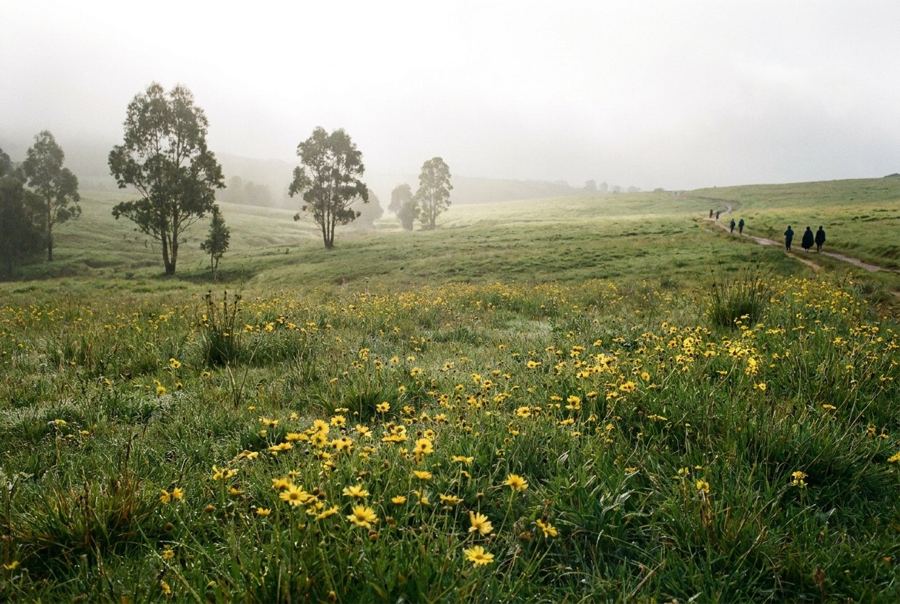 Plate 19 · EthiopiaThe Ethiopian calendar and clock
Merkato and the city on foot
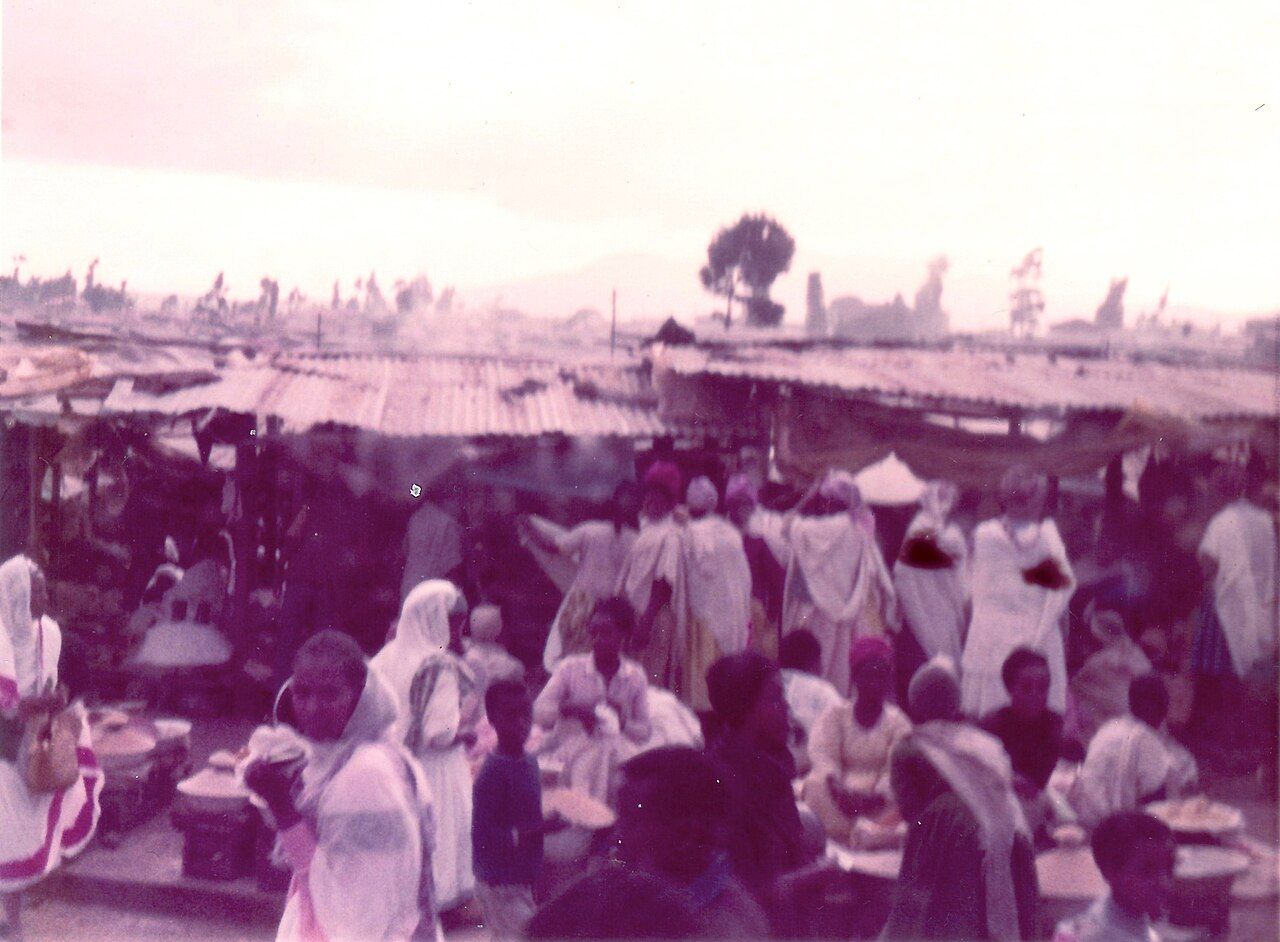
Merkato, in the west of the city, is often described as one of the largest open-air markets in Africa. It is less a single market than a district of streets and lanes, each specialising in something: spices, grain, coffee, baskets, textiles, household goods, recycled metal and plastic. It is crowded and lively, and it is also a place where pickpocketing happens. Leave valuables behind, carry only what you need and consider going with a local guide, who can lead you to the sections that interest you and back out again.
Other neighbourhoods reward a walk. Piazza, the old commercial heart, has older buildings from the early twentieth century. Meskel Square, the city's great open space, hosts the Demera bonfire at Meskel, when crowds fill its steps; the guide to Timkat, Meskel and Genna explains the festival. Nearby, the Red Terror Martyrs' Memorial Museum documents the killings of the late 1970s under the Derg regime; it is sobering and important.
Wherever you go, food is part of the city's appeal. This is the best place in the country to try a wide range of Ethiopian dishes, from the meat-heavy feasts of holidays to the fasting platters described in the guide to injera and the fasting table, and to sit through a full coffee ceremony.
Entoto and the hills
The Entoto hills rise north of the city to over 3,000 metres, covered in eucalyptus planted in Menelik's time. On the ridge stands Entoto Maryam church, where Menelik was crowned, with a small museum nearby. Large parks have been laid out on the hills with walking paths and views over the city on clear days. Going up is a good way to test your legs before trekking in the Simien Mountains or the Bale Mountains, and the drive takes less than an hour in normal traffic.
Mornings are usually clearer than afternoons, when cloud and haze roll in, especially in the rainy months. Take a warm layer: the ridge is several hundred metres higher than the city and noticeably colder.
Getting around
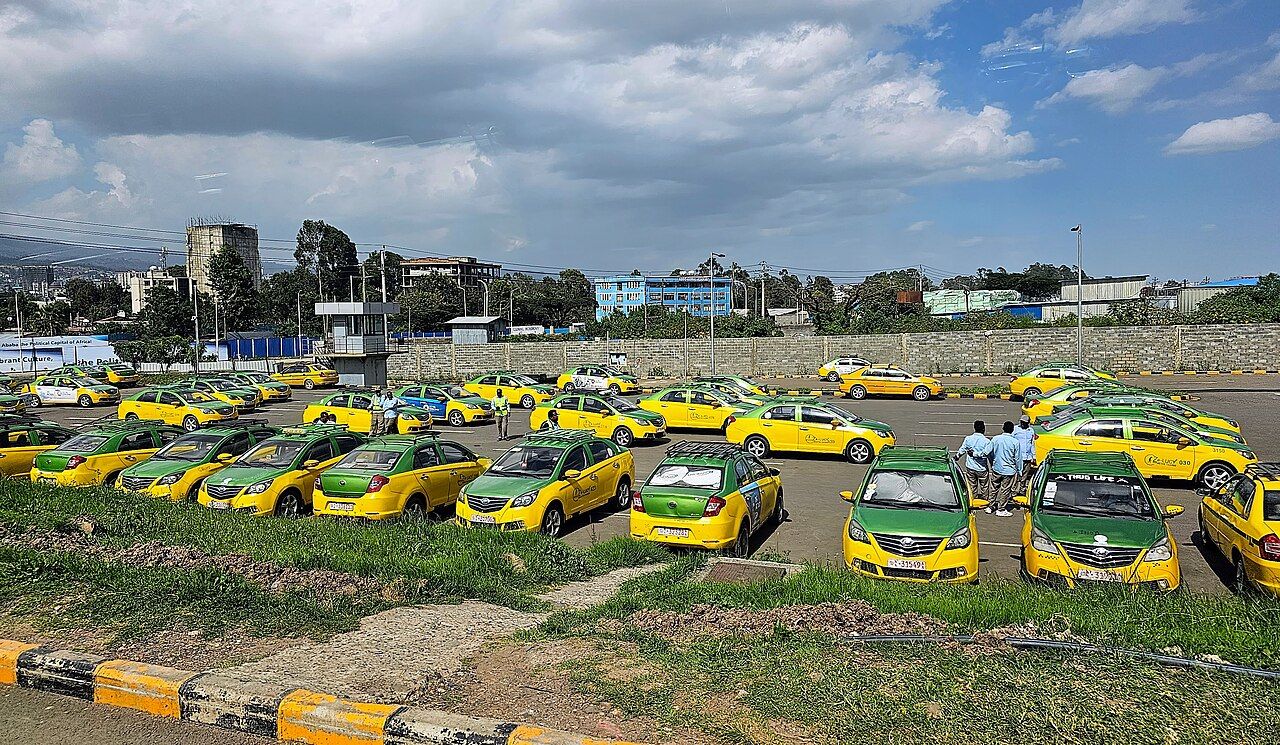
Traffic in Addis Ababa is heavy, and distances on the map are a poor guide to journey times. Taxis are the simplest way to get around for visitors; agree a fare before you set off unless the driver uses a meter. Ride-hailing services also operate in the city. The Addis Ababa Light Rail, opened in 2015, runs two lines across the city, north to south and east to west. It is cheap and useful for some trips, though trains can be crowded.
Bole International Airport handles international and domestic flights, and it is the starting point for most journeys north by air. Long-distance buses leave from bus stations in the city, often very early in the morning, and road trips south and east start through the city's outskirts. For the eastern route, the railway to Djibouti starts from a station on the city's outskirts, with a stop at Dire Dawa for Harar.
If you have only a single day between flights, choose two or three things rather than five: the National Museum and Holy Trinity Cathedral sit close enough together to combine, and an early evening at Entoto or a long meal with a coffee ceremony rounds the day off. With two days, add the Ethnological Museum and a guided morning at Merkato. Keep the evening before an early domestic flight quiet, since departures north often leave soon after dawn.
Images on this page: Rod Waddington (CC BY-SA 2.0); Richard van Alphen (CC BY-SA 3.0); Richard van Alphen (PD); Please credit family photos of Infrogmation (CC BY-SA 4.0); Ginevrajocosa88 (CC BY-SA 4.0).


