PaceOne night in or near the park is enough. Drive the plains early and late, rest through the midday heat and keep Fantale for a cool morning. Other plates in this section.
East of Addis Ababa the road falls off the highlands into the Rift Valley, and the air grows hot and dry. Awash National Park straddles that road, a block of grassland, acacia bush and old lava cut through by the Awash River. It is not a big-game park in the East African sense: there are no great herds and few predators to be seen. What it offers is open country close to the capital, animals adapted to dry plains, a volcano you can see from almost everywhere and a river that drops over falls into a gorge.
The park on the road east
The main road from Addis Ababa to Djibouti runs along the southern edge of the park, carrying a steady stream of trucks. The usual route passes Adama and Metehara before reaching the park gate and the headquarters near the river. The drive takes several hours, depending on traffic. Fees for entry, vehicles and a ranger or scout are set by the park. You will usually be asked to keep to the tracks, and driving off them is not allowed.
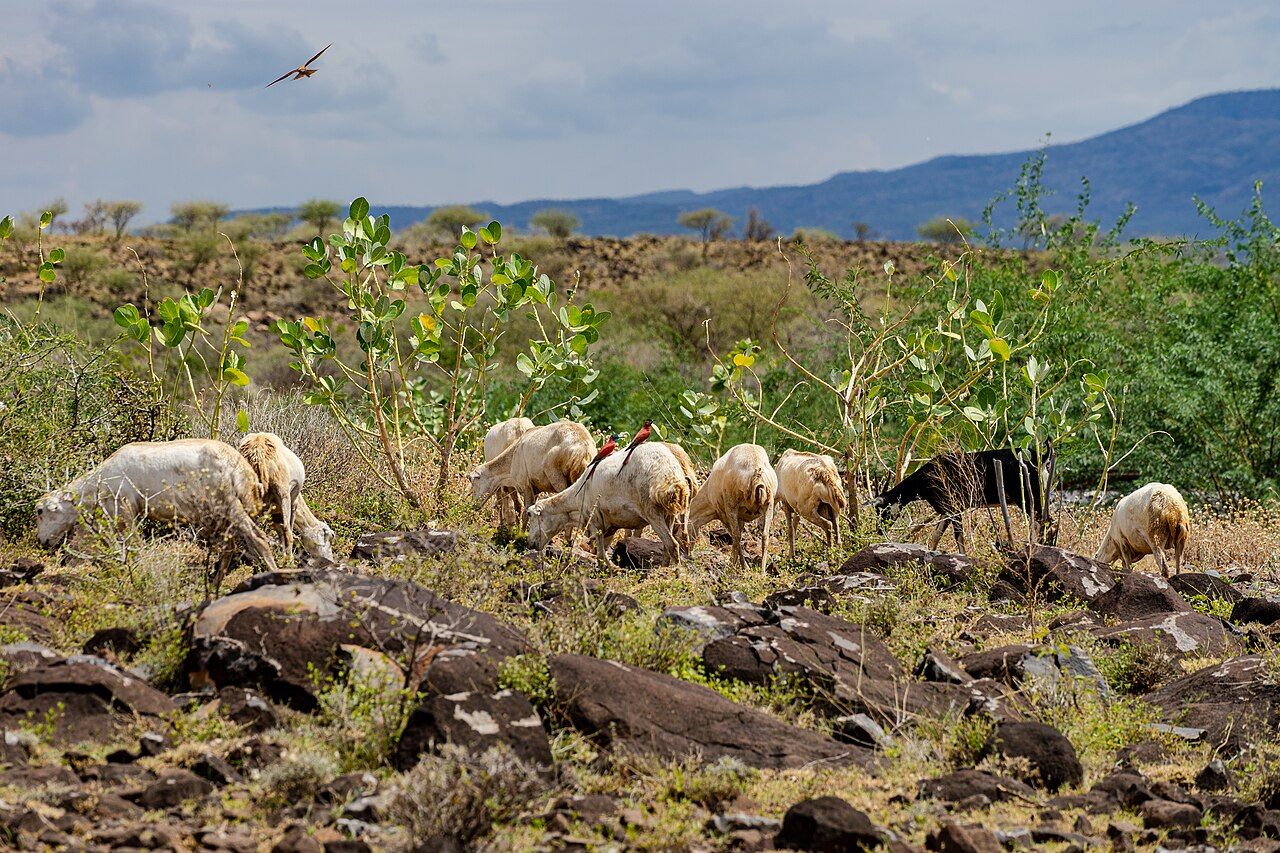
The land around and inside the park is also home to pastoralist communities, mainly Karrayu Oromo, who graze cattle, camels and goats here. Herds and herders are a normal part of the view. Greet people, ask before taking any photograph and give way to animals on the track.
The park reaches into the Afar region in the north, and conditions along the road east can change.
Illala Sala and the animals of the plains
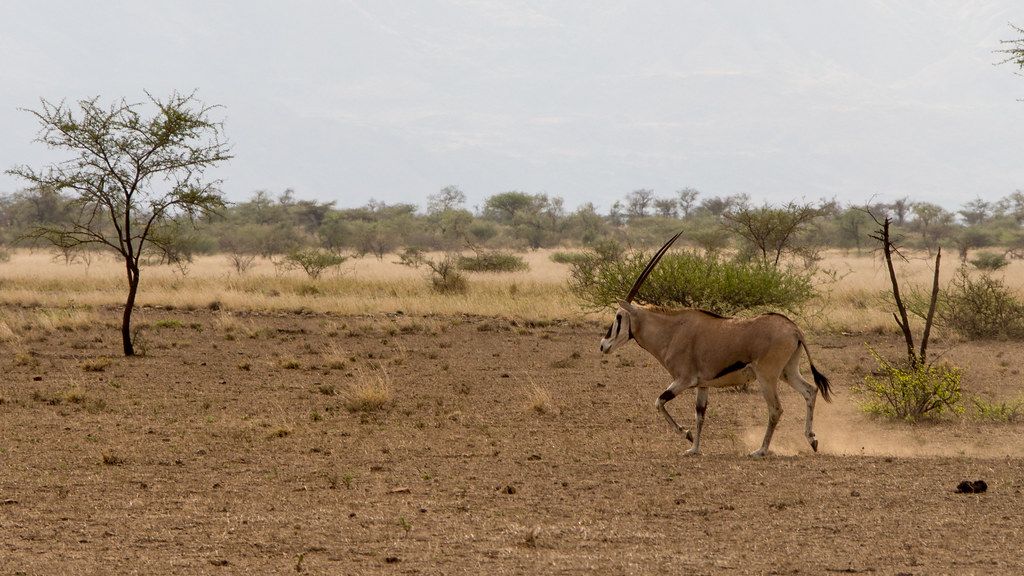
South of the river lie the Illala Sala plains, wide grassland where the best wildlife viewing usually happens. The animal to look for is the beisa oryx, a large antelope with long straight horns and a black-and-white face, well suited to heat and little water. Soemmerring's gazelle is often seen in small groups, and Salt's dik-dik, a tiny antelope, hides in the bush along the tracks. Greater and lesser kudu live in thicker cover and take patience to find.
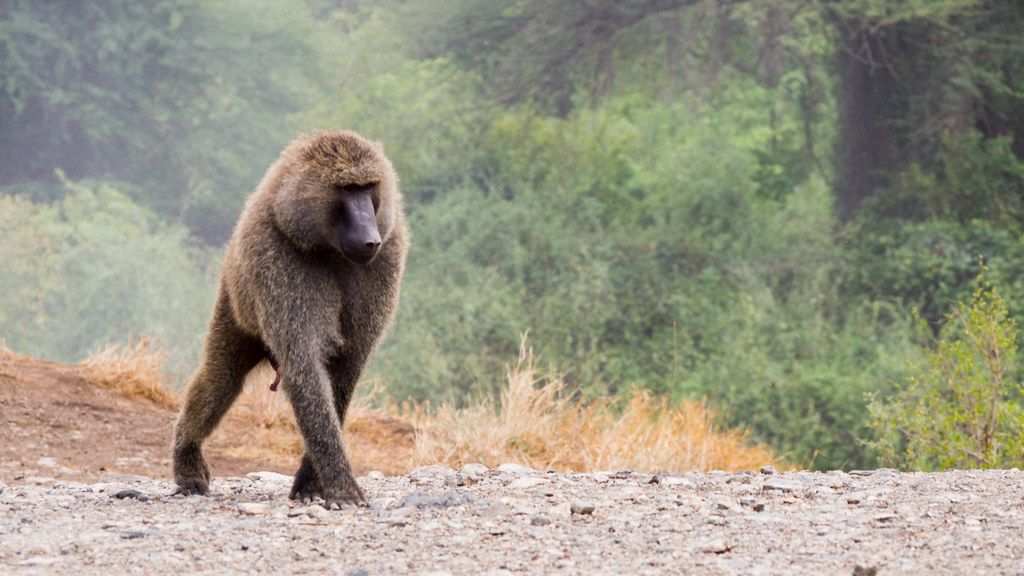
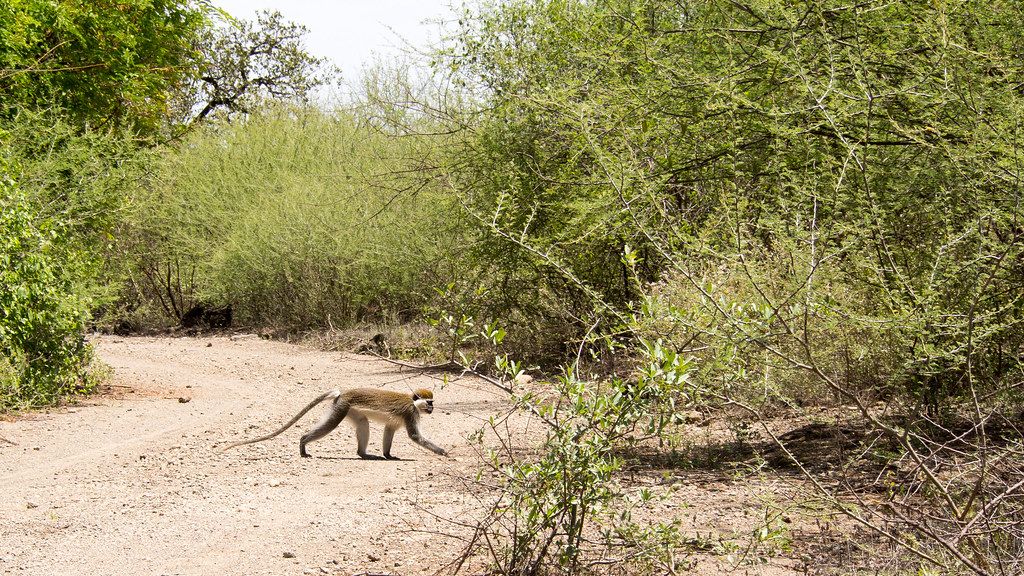
Baboons are common, and Awash is known as an area where olive and hamadryas baboons meet. Birdlife is rich, with several hundred species recorded in the park and its surroundings. Ground birds such as bustards and ostriches stand out on the plains, while hornbills, rollers and weavers fill the bush. Binoculars matter more here than a long lens: animals keep their distance on open ground. Drive slowly, stop often and scan the edges of the bush, where oryx and gazelles often stand in the shade.
Wildlife numbers have fallen over the decades as grazing and settlement have spread, so set expectations accordingly. The early morning and the last hour before dusk are when animals move and the light is soft; the middle of the day is hot, hazy and quiet.
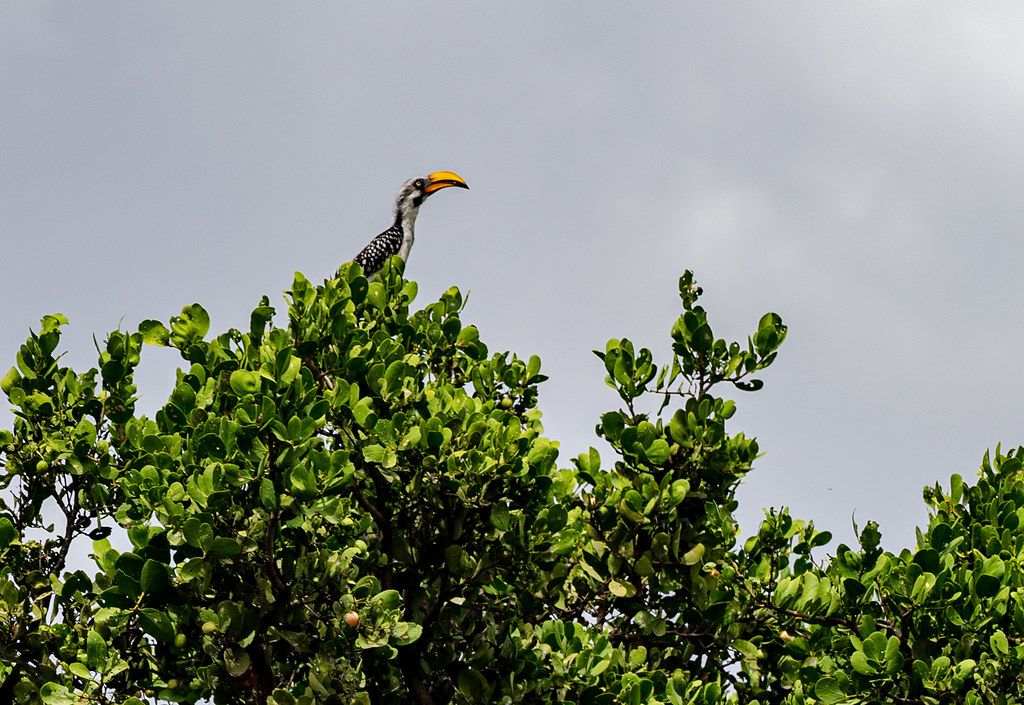
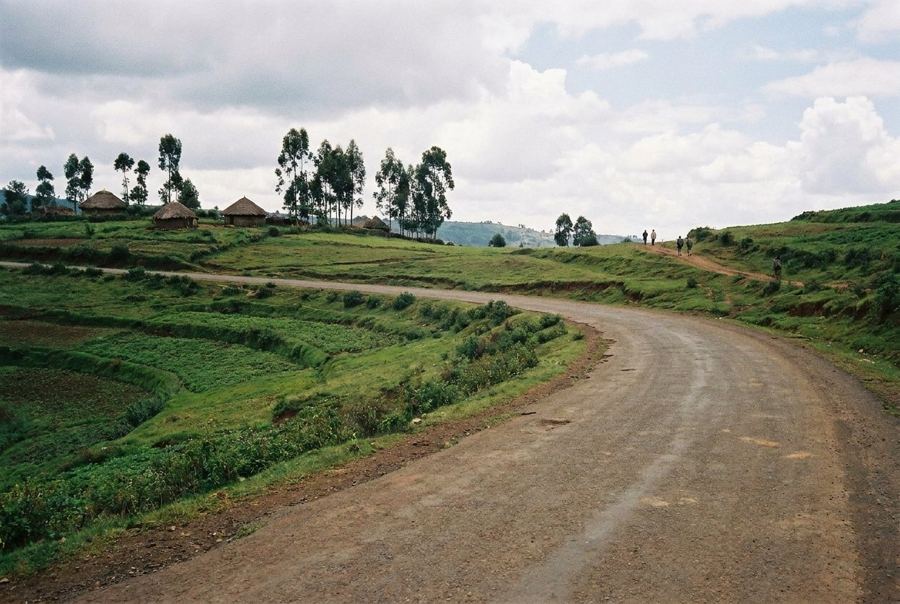 Plate 20 · EthiopiaPlanning an Ethiopian circuit
Fantale and the lava fields
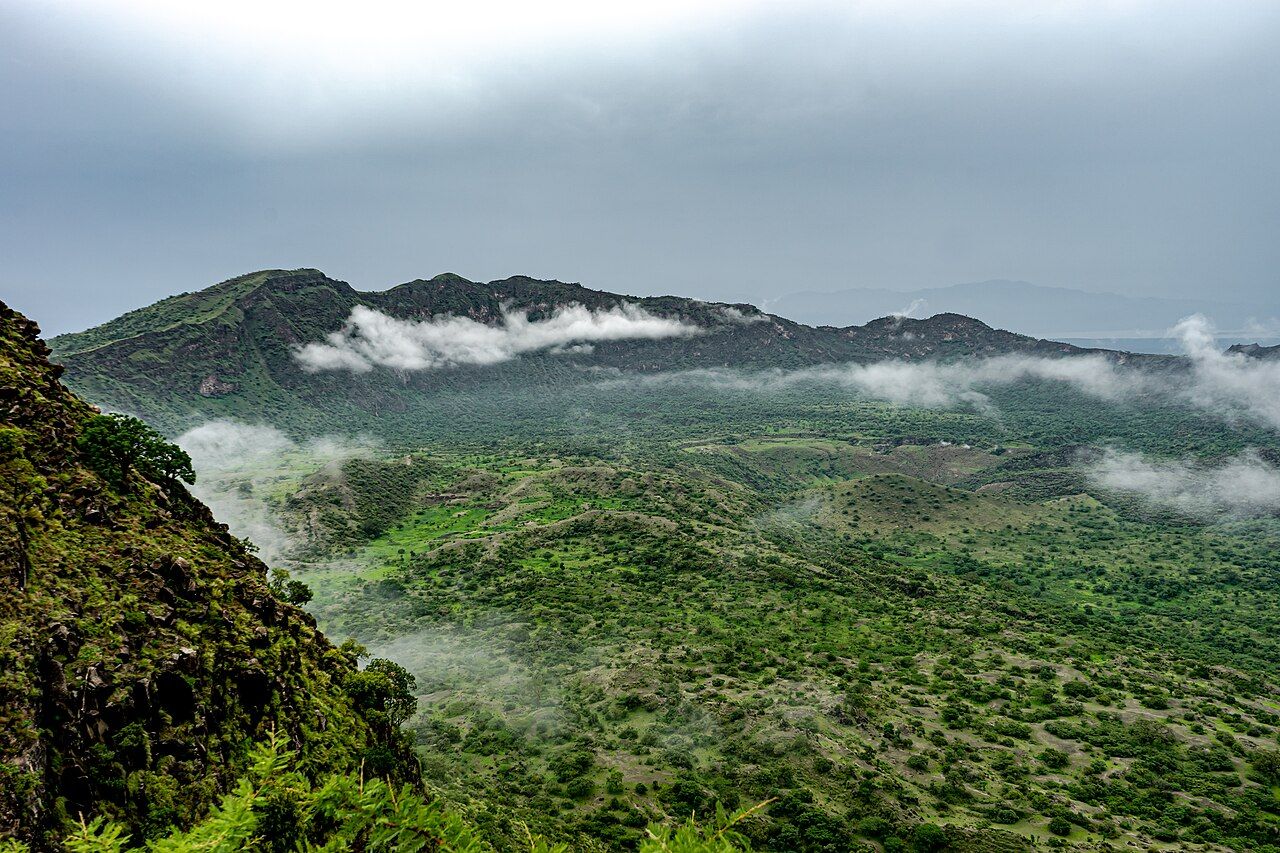
Mount Fantale, a dormant volcano rising to about 2,000 metres, dominates the western side of the park. Its broad crater rim is visible from the road, and black lava flows spread from its flanks, crossed by the main road on the way in. Steam still escapes from vents on the mountain. Climbing towards the rim is a serious hot-weather hike over rough ground; it needs an early start, a local guide or scout, and plenty of water.
The Awash Falls and the gorge
Near the park headquarters the Awash River tumbles over the Awash Falls into a gorge. The volume varies a great deal with the season, from a thin brown fall in the dry months to a muddy roar after the rains. Viewpoints along the gorge edge give a good sense of how the river has cut down through the old lava. The river holds crocodiles, so do not swim or wade, and stay back from undercut edges.
The Filwoha springs
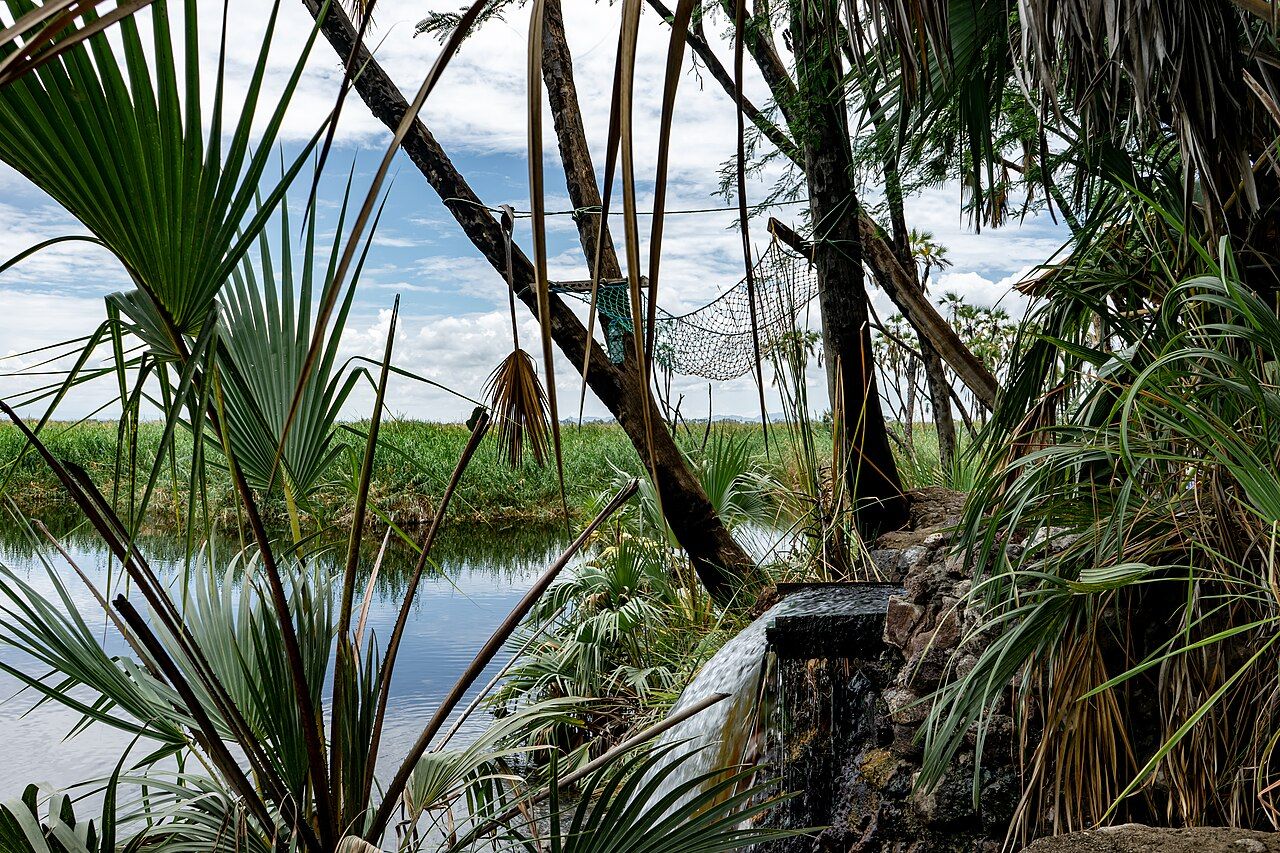
In the north of the park, a long drive on rough tracks from the headquarters, lie the Filwoha hot springs: clear blue pools fed by hot water, shaded by doum palms. The water in some pools is hot enough to scald, so test it with care before touching. The northern section is wilder and less visited, and access depends on track conditions, the ranger and current advice. Treat it as an option for a second day rather than something to squeeze in.
Heat, timing and fitting it in
The cooler dry months from about October to February are the most comfortable time to visit. In the hottest part of the year the plains can feel airless by late morning. Start before sunrise, rest through midday in shade and go out again in the late afternoon. Long sleeves and a wide hat protect better than sunscreen alone, and water is the first thing to pack.
Awash fits naturally into an eastern trip. It lies on the road towards Dire Dawa and the walled city of Harar, so a night here breaks the long drive. It also pairs with the Rift Valley lakes to the south if you are making a loop by road. For travellers bound for the far north-east, it gives a mild first taste of the heat that waits in the Danakil Depression.
- Arrive the evening before and drive the plains at first light.
- Expect to take a ranger or scout in your vehicle.
- Carry water for the whole day, as there is little to buy inside the park.
- Stay on the tracks and keep clear of the river edge.
Images on this page: jeanotr (CC BY 2.0); jeanotr (CC BY 2.0); Nina R from Africa (CC BY 2.0); Ninara31 (CC BY 2.0); Nina R from Africa (CC BY 2.0); jeanotr (CC BY 2.0); Nina R from Africa (CC BY 2.0).


