PaceAllow three or four days: one around Dinsho, a full day crossing the Sanetti Plateau slowly for wolves, and time in the Harenna forest. Ease into the altitude before the plateau. Other plates in this section.
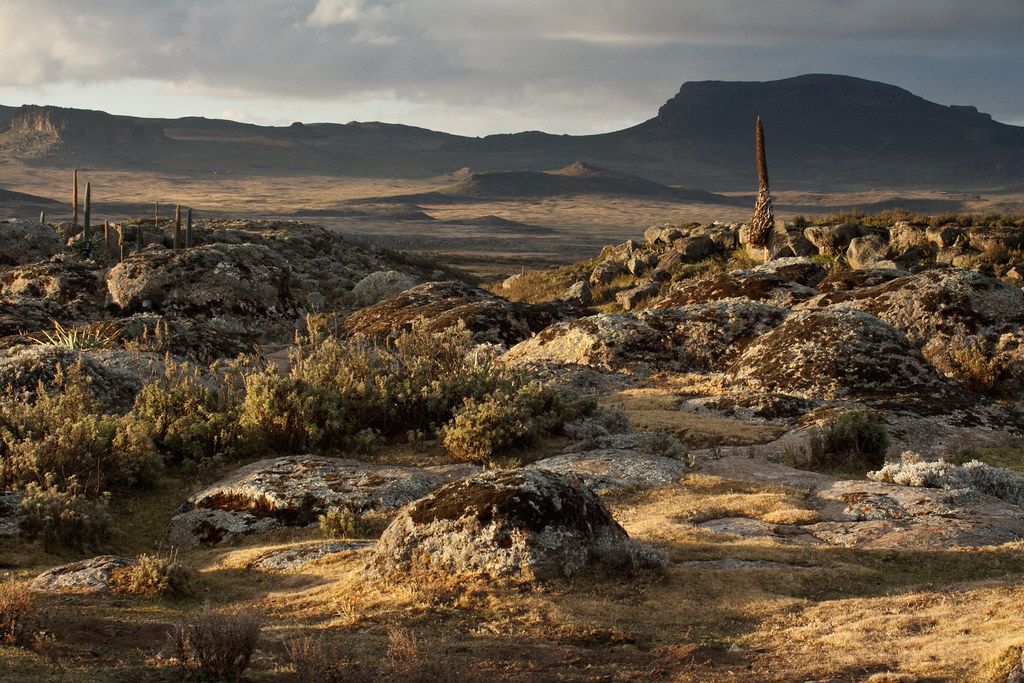
The Bale Mountains are Ethiopia's other great highland park, and they feel nothing like the Simien. Instead of a single dramatic escarpment, Bale is a vast raised block of old volcanic rock, crowned by the Sanetti Plateau, a cold, rolling moorland of rock, tussock grass and small lakes above 4,000 metres. To the north lie juniper woodland and grassland around the park headquarters; to the south the land falls away through one of the largest areas of cloud forest in Ethiopia. Across these zones live animals found nowhere else, above all the Ethiopian wolf.
Dinsho and the northern grasslands
The park headquarters is at Dinsho, at a little over 3,000 metres on the road from Shashemene. Around it, open grassland and stands of old juniper and hagenia trees make up the Gaysay area, the best place in the country to see mountain nyala. These large, spiral-horned antelope are endemic to the Ethiopian highlands, and at Gaysay they graze in the open, often in groups, alongside warthogs and Menelik's bushbuck, a dark local form of the common bushbuck.
Short walking trails lead from the headquarters into the woodland, where you may also see colobus monkeys and many highland birds. A day spent here is also the best way to adjust to the altitude before going higher. The nearby towns of Robe and Goba are the main service centres for the park, with fuel, markets and basic supplies.
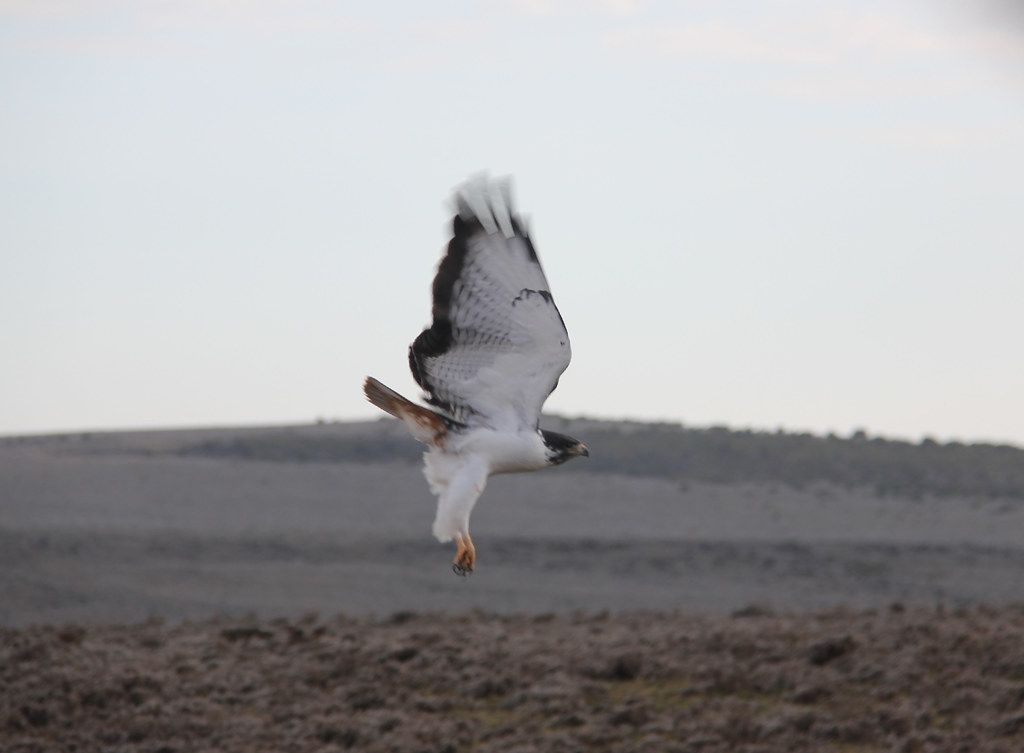
Bale is also one of the best birding areas in the country. Many of the highland endemics occur here, among them the wattled ibis, the thick-billed raven and the blue-winged goose, which feeds around the small lakes and marshes higher up. Raptors are common, and on the plateau you may see augur buzzards and golden eagles hunting the same rodents as the wolves.
The Sanetti Plateau
From Goba, a road climbs in a series of bends onto the Sanetti Plateau and crosses it from north to south. It is often described as the highest all-weather road in Africa, and it reaches close to 4,000 metres. The landscape up here is unlike anywhere else in Ethiopia: flat and open, broken by rocky outcrops, small glacial lakes and wide stretches of short grass and everlasting flowers, with the summit of Tullu Dimtu, at around 4,377 metres the second highest mountain in the country, rising just off the road.
Giant lobelias grow across the plateau, their tall flower spikes standing several metres high like posts in the moorland. Most of the year they are rosettes of leaves near the ground; when one flowers it sends up a single great stem, then dies. The plateau is cold and exposed, with frosts most nights in the dry season and sudden hail or rain at any time, and the sun is strong in between.
The animal that holds this ecosystem together is the giant mole-rat, a heavy, short-tailed rodent found only in these mountains. It lives in burrows across the plateau and pops its head out to pull plants into its tunnel, and the mounds of earth it throws up are everywhere. Watch for it near the road; it is the main prey of the wolves.
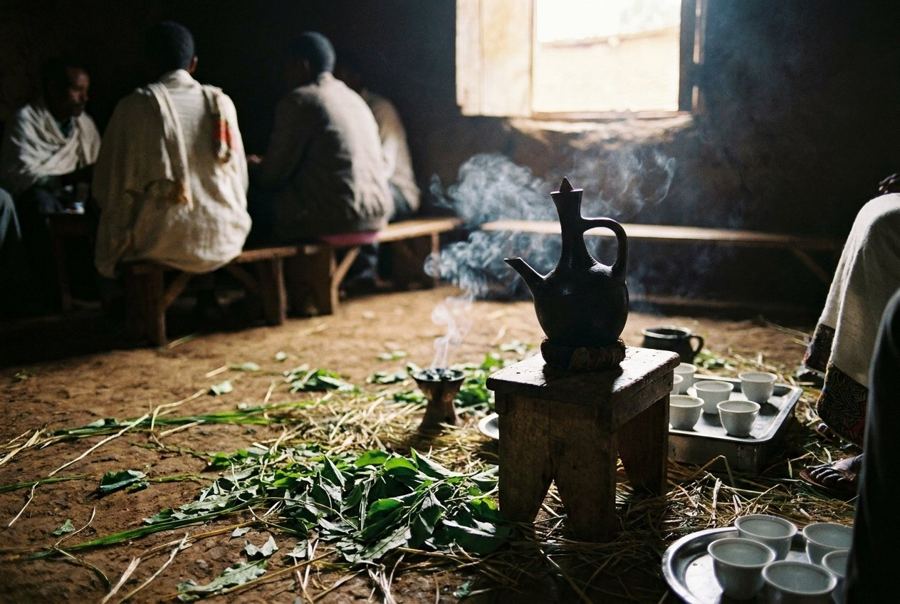 Plate 16 · KaffaCoffee, from the forest to the ceremony
The Ethiopian wolf
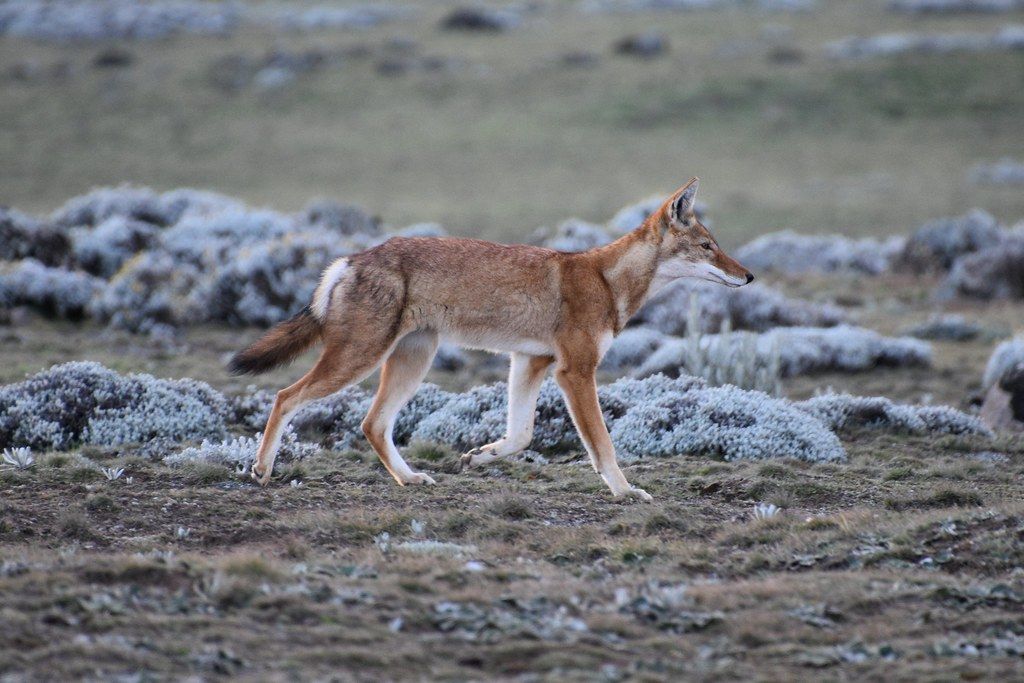
The Ethiopian wolf is the rarest canid in Africa and one of the rarest in the world, with only a few hundred adults surviving in small, isolated areas of high ground. The largest population lives in Bale, and the Sanetti Plateau is the best place anywhere to see one. Wolves are reddish with white markings on the throat and legs, long-legged and slender, and they hunt alone by day, mainly for rodents. The plateau is thick with giant mole-rats and other rodents, and much of a wolf's day is spent standing still over a burrow, then pouncing.
Drive across the plateau slowly, stop often, and scan the grassland with binoculars. Drive across the plateau slowly, stop often, and scan the grassland with binoculars. Wolves are most active in the morning and late afternoon. They live in packs that patrol a territory together, and with patience you have a good chance of seeing one. Keep a good distance and stay near your vehicle; wolves are threatened by disease spread from domestic dogs and by loss of habitat, and conservation work in the park focuses on both. Never feed them.
Down into the Harenna forest
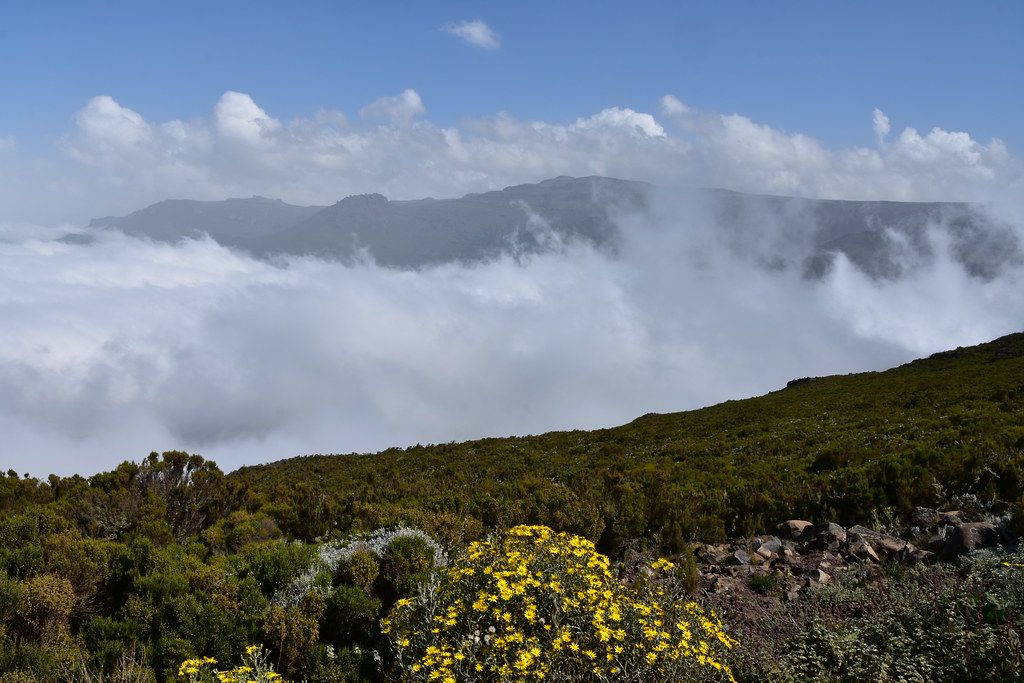
On the southern edge of the plateau, the road reaches the edge and plunges down the Harenna escarpment. Within an hour you pass from bare moorland into heather, then into dense, moss-hung forest of giant heather, bamboo, hagenia and tall broadleaf trees. This is the Harenna forest, one of the largest remaining natural forests in Ethiopia. Wild coffee grows in parts of it, and it supports many birds and animals, among them colobus monkeys, giant forest hogs and, rarely seen, leopards and lions.
The road continues down to the village of Rira and on towards Dolo Mena on the edge of the lowlands. Many visitors drive down into the forest for a day and back up again, while others carry on south or east. The forest is often wet and misty, and its tracks are muddy after rain, so bring proper rain gear.
The long drive via Shashemene
Bale is about four hundred kilometres south-east of Addis Ababa, a long day's drive through the Rift Valley via Shashemene, passing the Rift Valley lakes on the way. Domestic flights to Robe, when they operate, cut the journey down to an hour. A 4x4 with a driver is the usual way to get around, because public transport does not cross the plateau regularly.
Park fees are paid at Dinsho or at entry points; a park guide or scout may be required for some walks and treks, and horse treks can be arranged in the area. Facilities inside the park are limited, so plan where you will stay before you set off for the day.
In the lowlands east of Robe, the Sof Omar caves make a detour of a day: a long limestone cave system cut by the Web river, with high chambers and pillars, sacred to local Muslims and associated with a holy man of that name. A local guide is needed underground.
The dry season from October to February brings the clearest skies and the best wolf viewing on the plateau, though nights are very cold. The rains, heaviest in the middle of the year, turn the forest dripping and the plateau boggy. Bring warm layers, a hat and gloves, a waterproof jacket and good binoculars. The Bale area lies in Oromia, parts of which have been affected by insecurity in recent years. If you have trekked in the Simien Mountains, Bale makes a strong contrast, and the two together cover most of the high country of Ethiopia.
Images on this page: Petr Meissner (CC BY 2.0); Hotel Kaesong (CC BY-SA 2.0); Prof. Mortel (CC BY 2.0); Prof. Mortel (CC BY 2.0).